
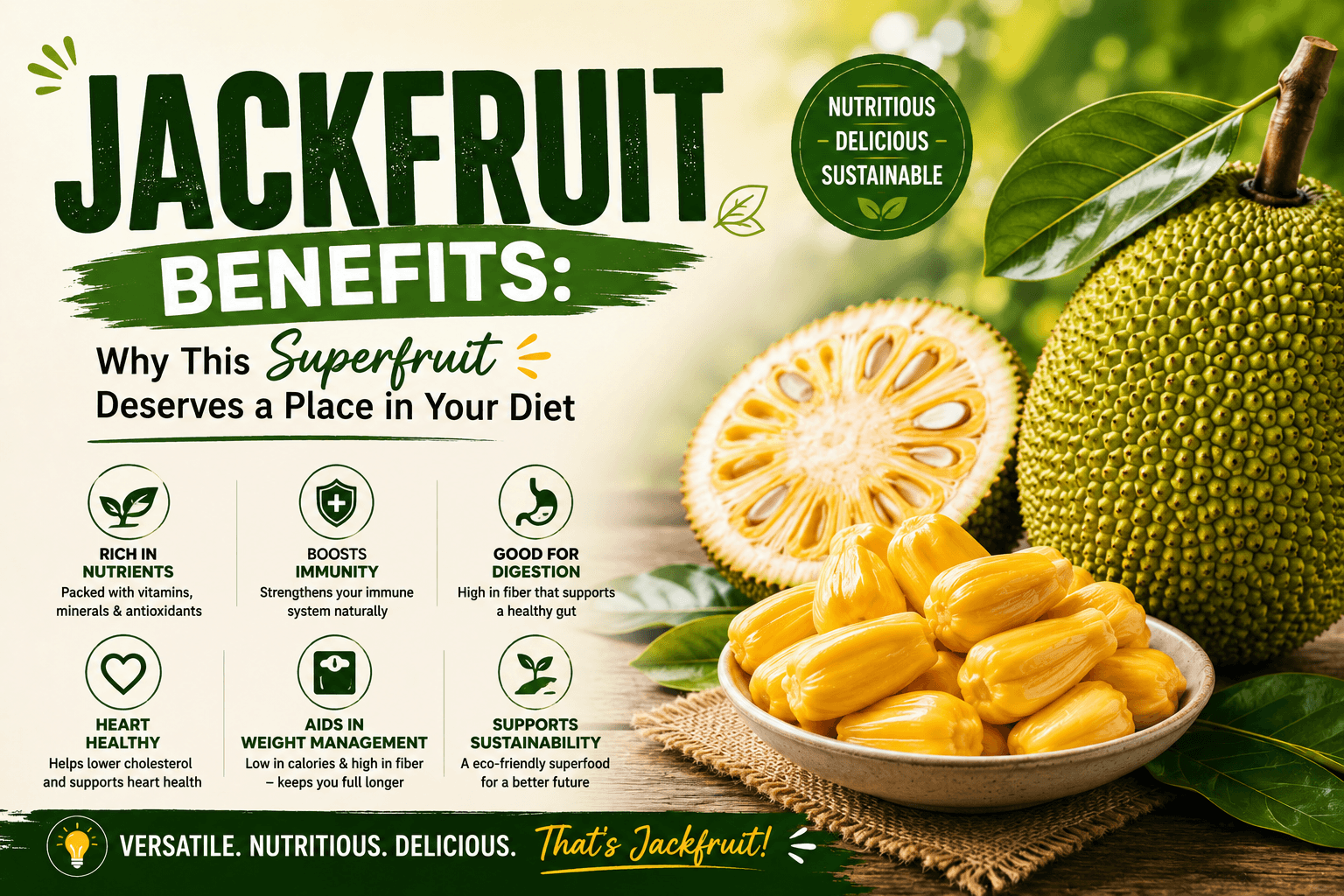
Jackfruit Benefits: Why This Superfruit Deserves a Place in Your Diet
Jackfruit is one of nature’s most remarkable and nutritionally rich fruits — yet it remains widely underappreciated in many parts of the world. Known by various names including Jaquez and Jacque depending on the region, jackfruit is a large, tropical fruit native to South and Southeast Asia that has been consumed for centuries for both its distinctive taste and its impressive range of health benefits. With a flavour profile that blends notes of mango and pineapple, and a nutritional composition that rivals many dedicated health supplements, jackfruit is increasingly being recognised by nutritionists and health researchers as a genuine superfruit worth adding to your daily diet.
What makes jackfruit particularly exceptional is its unique combination of phytonutrients, minerals, electrolytes, vitamins, and dietary fibre — all packaged in a fruit that is naturally low in calories and contains no added cholesterol or saturated fats. Whether you are looking to boost your immune system, support bone health, manage blood pressure, or simply eat more nutritiously, jackfruit offers a compelling range of benefits. Here is a comprehensive look at why jackfruit deserves far more attention than it currently receives.
Rich in Antioxidants That Protect Your Cells
One of the most significant health benefits of jackfruit is its exceptionally high antioxidant content. Antioxidants are compounds that protect the body’s cells from oxidative damage — a process that occurs when unstable molecules called free radicals attack healthy cells, breaking them down over time. Oxidative stress caused by an excess of free radicals is associated with a wide range of serious health conditions, including cardiovascular disease, diabetes, and the development of certain cancers.
Jackfruit is packed with powerful antioxidants, particularly Vitamin C and various phytonutrients, that actively neutralise free radicals and reduce the burden of oxidative stress on the body. Regular consumption of antioxidant-rich foods like jackfruit is one of the most effective dietary strategies for reducing long-term cellular damage and supporting overall health. For anyone looking to strengthen their body’s natural defences against disease and premature ageing, incorporating jackfruit into a regular diet is a genuinely impactful choice.
An Excellent Source of Potassium for Hydration and Heart Health
Potassium is one of the most important minerals for maintaining proper bodily function, and jackfruit is an outstanding natural source of it. A single cup serving of jackfruit provides approximately 292 milligrams of potassium — making it one of the more potassium-dense fruits available. This mineral plays a critical role in maintaining fluid balance within the body, regulating nerve signals, and supporting healthy muscle contractions, including the constant work of the heart muscle.
Potassium is also essential for keeping the body properly hydrated at a cellular level. Unlike many sports drinks and rehydration products that rely on artificial additives, jackfruit provides natural hydration support through its potassium content. For people who are physically active, live in hot climates, or simply want to maintain better daily hydration, jackfruit is an excellent and entirely natural option.
Beyond hydration, potassium plays a key role in counteracting the effects of sodium in the diet, helping to regulate blood pressure and reduce the risk of hypertension — one of the leading risk factors for stroke and heart disease. This makes jackfruit a particularly valuable food for anyone concerned about cardiovascular health.
Contains Powerful Phytonutrients That Help Fight Disease
Jackfruit contains an impressive array of phytonutrients — naturally occurring plant compounds that have significant protective effects on human health. Among the most important of these are flavones, saponins, and lignans, each of which contributes to the fruit’s disease-fighting properties in distinct ways.
Flavones are plant compounds with well-documented anti-inflammatory and antioxidant properties. They have been studied for their potential role in inhibiting the growth of abnormal cells and reducing the risk of certain types of cancer. Saponins have been shown in research to interfere with the growth and multiplication of harmful cells by building protective barriers that limit their ability to spread. Lignans are another class of phytonutrient found in jackfruit that contribute to its overall protective effect against cellular damage and disease progression.
Together, these phytonutrients make jackfruit one of the most nutritionally complex and protective fruits available. Their combined anti-inflammatory and cell-protective effects position jackfruit as a food that does not merely provide energy and basic nutrition, but actively contributes to the long-term health of the body at a cellular level.
Supports Strong Bones and Prevents Osteoporosis
Jackfruit is a valuable source of calcium — the mineral most essential for building and maintaining strong, healthy bones. Regular consumption of calcium-rich foods is one of the most important dietary habits for preventing osteoporosis, a condition in which bones gradually lose density and become fragile and prone to fractures. Osteoporosis is particularly common in older adults, making calcium intake an important consideration at every stage of life.
Beyond its calcium content, jackfruit also contains potassium, which contributes to bone health in a less well-known but equally important way. Adequate potassium intake has been shown to help preserve bone density by reducing the amount of calcium that is lost through the kidneys. This dual benefit — providing calcium for bone building while simultaneously reducing calcium loss — makes jackfruit a particularly effective dietary choice for people looking to support long-term skeletal health.
Boosts Immune Function With High Vitamin C Content
Jackfruit is an excellent source of Vitamin C — one of the most well-established immune-supporting nutrients in human nutrition. Vitamin C plays a central role in the production and function of white blood cells, which are the immune system’s primary defence against infection and disease. A single serving of jackfruit delivers a substantial dose of this essential vitamin, contributing meaningfully to the body’s daily Vitamin C requirements.
Beyond its role in immune support, Vitamin C is also a potent antioxidant in its own right, working alongside the other antioxidant compounds in jackfruit to neutralise free radicals and reduce oxidative stress. It also plays an important role in collagen synthesis — the process by which the body produces and maintains the structural protein that keeps skin, joints, and connective tissue healthy and resilient. For anyone looking to support both their immune system and their skin health simultaneously, jackfruit’s Vitamin C content makes it a particularly useful addition to the diet.
Helps Lower Cholesterol and Supports Heart Health
High LDL cholesterol is one of the most significant risk factors for cardiovascular disease, and dietary choices play a major role in determining cholesterol levels. Jackfruit contains a substantial amount of dietary fibre, which has a well-documented effect on cholesterol management. Soluble fibre in the digestive system binds to cholesterol-containing compounds and assists in removing them from the body before they can be absorbed into the bloodstream.
Regular consumption of jackfruit therefore contributes to lower LDL cholesterol levels over time, reducing the risk of arterial plaque buildup and the cardiovascular complications associated with it. The fibre in jackfruit also helps moderate the absorption of sugars from the digestive tract, contributing to more stable blood sugar levels — a benefit that extends beyond cholesterol management to support overall metabolic health.
Helps Manage High Blood Pressure Naturally
Hypertension — high blood pressure — is one of the most prevalent and dangerous chronic health conditions in the modern world. It significantly increases the risk of heart attack, stroke, and kidney disease, and it often develops silently over years without obvious symptoms. Diet is one of the most powerful tools available for managing and preventing hypertension, and jackfruit is a particularly beneficial food in this context.
One hundred grams of jackfruit provides approximately 95 calories along with a combination of natural sugars including fructose and glucose, fibre, potassium, and a range of vitamins and minerals that collectively support healthy blood pressure regulation. The potassium content directly counteracts the blood-pressure-raising effects of sodium. The fibre supports healthy circulation. And the antioxidants reduce inflammation in the arterial walls — a key driver of elevated blood pressure over time. For anyone looking to manage or prevent hypertension through dietary means, jackfruit is one of the most comprehensively beneficial fruits available.
Supports Weight Management With Low Calories and High Nutrition
Despite its dense nutritional profile, jackfruit is relatively low in calories and contains no added cholesterol or saturated fats — making it an excellent food for people who are managing their weight without sacrificing nutrition. The high fibre content of jackfruit promotes feelings of fullness and satiety, reducing the likelihood of overeating by keeping hunger at bay for longer after eating.
The combination of low caloric density, high fibre, and rich micronutrient content makes jackfruit an ideal food for people following a calorie-conscious diet who want to ensure they are still meeting their nutritional needs. Unlike many low-calorie foods that offer minimal nutritional value, jackfruit delivers meaningful amounts of vitamins, minerals, and protective phytonutrients with every serving.
Conclusion
Jackfruit is far more than an exotic tropical curiosity. It is a genuinely exceptional fruit with a nutritional profile that supports immune health, bone strength, cardiovascular function, blood pressure regulation, weight management, and cellular protection against disease. Whether consumed fresh, dried, cooked, or blended, jackfruit offers a versatile and delicious way to meaningfully improve the nutritional quality of your diet. If you have not yet made jackfruit a regular part of your eating habits, the evidence for doing so is both compelling and comprehensive.
This article is for general information only and is not medical advice. People with latex or birch pollen allergies, kidney disease or diabetes, or those taking blood-sugar or blood-thinning medication, should check with a doctor before eating jackfruit regularly.
About the Author