
Plantains Are High in Vitamins and Minerals: Health Benefits and How to Prepare Them
Plantains are one of the most nutritionally rich and versatile staple foods in the world, yet they remain underappreciated outside of the tropical cultures where they have been a dietary cornerstone for centuries. Widely consumed across the Caribbean — including the Dominican Republic and Puerto Rico — as well as in West Africa, Southeast Asia, and South Asia, plantains are a fundamental ingredient in hundreds of traditional recipes and a significant source of daily nutrition for millions of people worldwide.
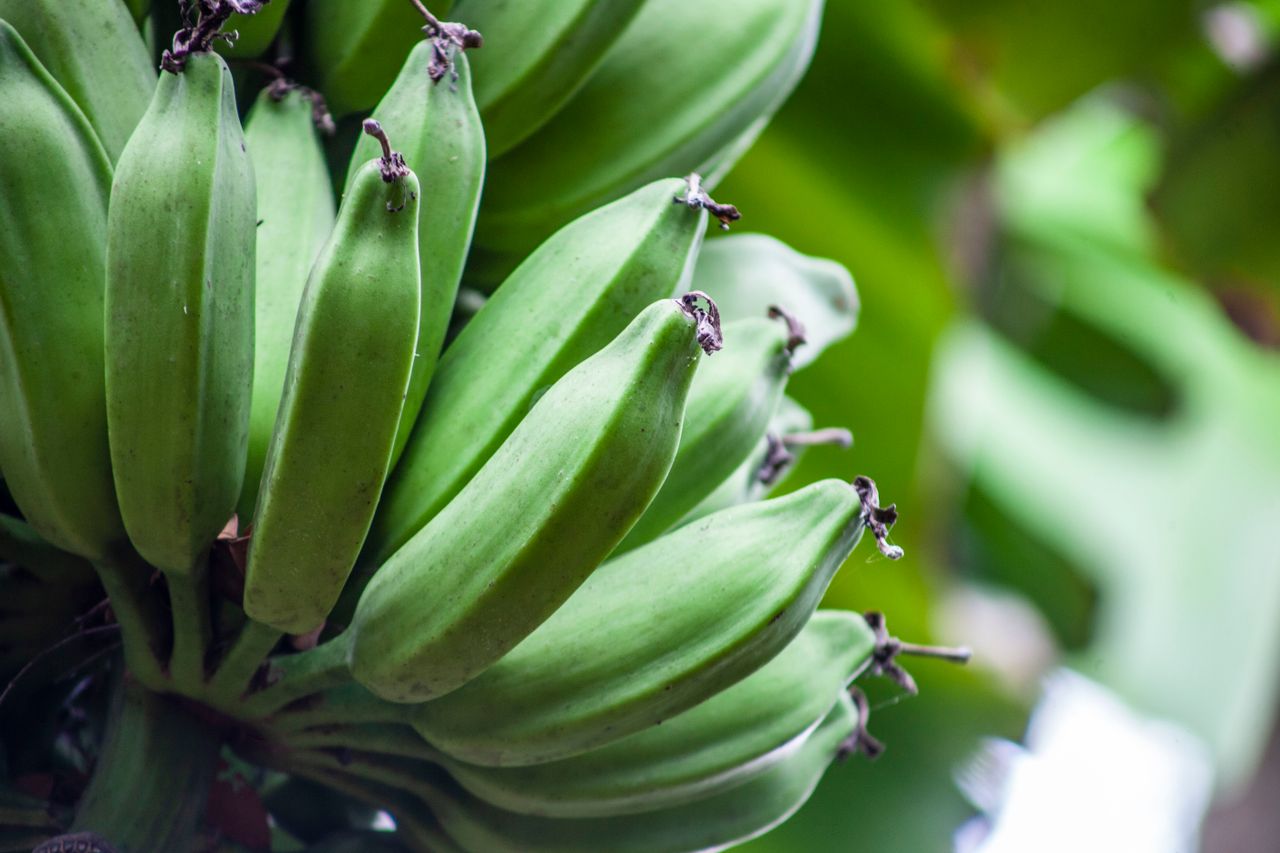
In appearance, plantains closely resemble bananas, to which they are closely related. However, they are notably larger, significantly tougher to peel, and considerably less sweet than their more familiar cousin. Unlike bananas, plantains cannot be eaten raw and must always be cooked before consumption — but this necessary cooking step opens up an extraordinary range of culinary possibilities, from sweet dessert dishes to savoury side dishes and everything in between. This guide explores the impressive nutritional profile of plantains, their specific health benefits, the important considerations for people managing their carbohydrate intake, and the best and healthiest ways to prepare them.
Nutritional Profile of Plantains
Plantains pack an impressive nutritional punch for a relatively modest caloric investment. One cup of ripe, cooked plantain provides approximately 200 calories, 0.5 grams of total fat, 50 grams of carbohydrates, 3.5 grams of dietary fibre, 22 grams of natural sugar, and 2 grams of protein. They are low in sodium and notably high in potassium — a mineral that plays a critical role in cardiovascular health, blood pressure regulation, and proper muscle function.
Beyond their macronutrient profile, plantains are rich in a range of essential vitamins and minerals that contribute meaningfully to overall health. They are an excellent source of Vitamin A, Vitamin C, and Vitamin B6, as well as magnesium, phosphorus, and iron. This combination of vitamins and minerals makes plantains a genuinely nutritious food rather than simply a starchy carbohydrate source — and it is the reason that nutrition experts and healthcare professionals consistently recommend them as part of a balanced, whole-food diet.
Plantains Are Rich in Vitamins A, C, and B6
Vitamin A is one of the most important nutrients in plantains, and its presence in meaningful quantities makes plantains a valuable food for eye health and immune function. Vitamin A plays an essential role in maintaining the health of the retina and supporting night vision, and adequate Vitamin A intake is associated with a reduced risk of age-related macular degeneration and other vision-related conditions. Beyond eye health, Vitamin A is a critical component of immune system function, helping the body produce and maintain the white blood cells and protective barriers that defend against infection and disease.
Vitamin C — another nutrient found in significant quantities in plantains — is one of the most well-known and widely studied nutrients in human nutrition. As a powerful antioxidant, Vitamin C helps protect cells from oxidative damage caused by free radicals, supports the production of collagen for healthy skin and connective tissue, and plays a central role in immune system function. Regular consumption of Vitamin C-rich foods like plantains is associated with a reduced risk of cardiovascular disease, improved skin health, and better immune resilience against colds, infections, and other common illnesses.
Vitamin B6, the third key vitamin in plantains, is essential for a remarkable range of physiological functions including brain health, mood regulation, and cardiovascular health. Vitamin B6 plays a critical role in the production of neurotransmitters including serotonin and dopamine, which regulate mood, sleep, and cognitive function. It also helps reduce blood levels of homocysteine — an amino acid that, at elevated levels, is associated with an increased risk of cardiovascular disease. The presence of all three of these essential vitamins in a single food makes plantains an unusually well-rounded nutritional choice.
High in Dietary Fibre for Digestive Health
One of the most significant health benefits of plantains is their high dietary fibre content. With 3.5 grams of fibre per cup, plantains are a meaningful contributor to daily fibre intake — and dietary fibre is one of the most important and most widely under-consumed nutrients in the modern diet. Fibre is an indigestible carbohydrate that plays multiple critical roles in maintaining and promoting health throughout the digestive system and beyond.
In the digestive system, fibre adds bulk to stool, promotes regular bowel movements, and helps prevent the constipation that is associated with a wide range of gastrointestinal discomforts and conditions. Fibre also feeds the beneficial bacteria that make up the gut microbiome — the complex ecosystem of microorganisms in the large intestine that plays an increasingly recognised role in immune function, mental health, and overall wellbeing.
Beyond the digestive system, fibre from foods like plantains helps regulate the absorption of glucose and fats in the intestine, slowing the rate at which these nutrients enter the bloodstream. This moderating effect on nutrient absorption is one of the reasons that high-fibre foods are consistently associated with better blood sugar control, lower LDL cholesterol levels, and a reduced risk of type 2 diabetes and cardiovascular disease.
High in Potassium for Heart and Muscle Health
Plantains are an excellent dietary source of potassium — one of the most important minerals for cardiovascular health and proper muscle function. Potassium is an electrolyte that helps regulate fluid balance in the body, supports the electrical signals that allow the heart to beat regularly, and enables muscles throughout the body to contract and relax properly. Adequate potassium intake is consistently associated with lower blood pressure, a reduced risk of stroke, and better overall cardiovascular health.
Many people in the modern world do not consume adequate potassium — a shortfall that is associated with elevated blood pressure, increased cardiovascular risk, and muscle cramps and weakness. Incorporating potassium-rich foods like plantains into the regular diet is one of the most effective dietary strategies for addressing this deficiency and supporting long-term heart health. The combination of high potassium and low sodium in plantains makes them particularly beneficial for blood pressure management — potassium directly counteracts the blood-pressure-raising effects of dietary sodium.
Potential Benefits for Digestive Conditions
Traditional and alternative medicine practitioners have long recognised the potential benefits of plantains for digestive health beyond their fibre content. There is evidence suggesting that plantains may help prevent and manage stomach ulcers caused by aspirin and other non-steroidal anti-inflammatory drugs — a common and painful condition that affects millions of people who take these medications for pain relief or cardiovascular protection.
The proposed mechanism is that compounds in plantains stimulate the production of gastric mucus — the protective layer that lines the stomach wall and shields it from the erosive effects of stomach acid and NSAIDs. While this remains an area where more clinical research is needed to fully establish the evidence base, the existing findings are encouraging and are consistent with plantains’ long history of use in traditional medicine for digestive support.
Carbohydrate Content: What People With Diabetes Need to Know
While plantains offer an impressive range of nutritional benefits, their relatively high carbohydrate content is an important consideration for people managing diabetes or following a low-carbohydrate diet. At 50 grams of carbohydrates per cup, plantains are a significant source of dietary carbohydrates — roughly equivalent to eating two and a half slices of bread in terms of their impact on blood glucose levels.
For people with diabetes, this does not mean that plantains must be avoided entirely — but it does mean that portion control and mindful meal planning are essential. If you are eating plantains alongside other starchy foods such as rice or beans, aim to limit the total carbohydrate-containing foods to no more than one quarter of your plate. If plantains are the only starchy component of your meal, the same quarter-plate guideline applies. Monitoring portion sizes and blood glucose responses to plantains will help people with diabetes determine the right amount for their individual needs and metabolic responses.
The ripeness of the plantain also affects its glycaemic impact. Greener, less ripe plantains have a lower sugar content and a lower glycaemic index than fully ripe yellow or black plantains, meaning they cause a slower and more moderate rise in blood glucose. For people managing blood sugar, cooking with greener plantains and avoiding those that are fully ripe and very sweet may be a helpful strategy.
How to Prepare Plantains the Healthy Way
The way you prepare plantains is just as important as how much you eat. While deep-frying is one of the most traditional methods of cooking plantains — producing the beloved tostones and maduros of Caribbean cuisine — it also adds significant amounts of fat and calories that can offset many of the nutritional benefits of the fruit. When possible, healthier cooking methods including boiling, grilling, baking, and steaming are preferable, as they preserve the nutritional integrity of the plantain without adding unnecessary fat.
When choosing plantains for cooking, the stage of ripeness determines both the flavour profile and the most appropriate preparation method. Green plantains are starchy, firm, and relatively neutral in flavour — similar to potatoes or taro root — and are best suited to savoury preparations including boiling, mashing, or frying as tostones. Yellow plantains are sweeter and softer, making them suitable for both sweet and savoury dishes. Fully ripe plantains, which are mostly black with a little yellow and still slightly firm to the touch, are the sweetest and work beautifully in dessert preparations or as a naturally sweet side dish. Completely black plantains are safe to eat but are typically too soft for most cooking applications.
Mashing plantains is one of the most creative and delicious ways to enjoy them as a healthier alternative to mashed potatoes. Combine cooked plantains with a small amount of low-fat milk and a little butter, and mash to a smooth consistency — being careful not to overwork them, as this can make the texture gluey. A popular variation is to combine 50 percent mashed plantains with 50 percent mashed potatoes, creating a flavourful and nutritious accompaniment to grilled meats or other protein-rich dishes.
Baking plantains is one of the simplest and healthiest preparation methods available. Peel the plantain, cut it into half-inch slices, arrange in a single layer on a baking sheet, and bake at 220 degrees Celsius for approximately 20 minutes until tender and slightly caramelised. Baking concentrates the natural sugars of the plantain, producing a sweet, soft result with a slightly firm exterior that requires no added fat or sugar to be deeply satisfying. For savoury preparations, season baked plantain slices with garlic, cumin, oregano, and turmeric for a flavourful side dish. For sweet preparations, a dusting of cinnamon and nutmeg transforms baked plantains into a naturally sweet dessert or breakfast component.
Conclusion
Plantains are a genuinely remarkable food — nutritionally dense, extraordinarily versatile, and deeply rooted in the culinary traditions of some of the world’s most vibrant food cultures. Their high content of Vitamins A, C, and B6, combined with meaningful levels of potassium, dietary fibre, magnesium, and antioxidants, makes them a food that delivers real, evidence-backed health benefits with every serving. Whether you are discovering plantains for the first time or returning to a beloved childhood staple, incorporating them into your regular diet in thoughtfully prepared, appropriately portioned servings is a delicious and nutritious choice that your body will thank you for.
This article is for general information only and is not medical advice. Plantains are high in potassium and carbohydrates, so people with kidney disease or diabetes should check suitable portions with their doctor or dietitian.
About the Author