
Everyone feels worried sometimes. Generalized anxiety disorder (GAD) is different: the worry is persistent, hard to control and affects daily life for months at a time. The good news is that GAD is very treatable. This guide explains the symptoms, the most effective treatments, and practical steps you can take alongside professional help.
This article is for general information only and is not a substitute for professional medical or mental health advice. If you are struggling, please contact a doctor or mental health professional. If you are in crisis or thinking about harming yourself, contact your local emergency number or a crisis helpline immediately.
What Is Generalized Anxiety Disorder?
GAD is a mental health condition in which a person feels excessive worry about many different things, such as work, health, money or family, on most days for at least six months. The worry is out of proportion to the situation and difficult to switch off.
Common Symptoms
- Constant worry or feeling on edge
- Restlessness or difficulty relaxing
- Tiredness
- Difficulty concentrating
- Irritability
- Muscle tension, headaches or stomach problems
- Trouble falling or staying asleep
Only a qualified professional can diagnose GAD. They may also check for physical causes, such as thyroid problems, that can produce similar symptoms.
The Most Effective Treatments
1. Cognitive Behavioural Therapy (CBT)
CBT is one of the best-studied and most effective treatments for GAD. It helps you recognise unhelpful thought patterns, test them against reality and develop practical ways to manage worry. CBT is usually delivered over weekly sessions for several months, and its benefits often last after therapy ends.
2. Medication
For some people, a doctor may recommend medication, usually alongside therapy. Commonly prescribed options include certain antidepressants such as SSRIs and SNRIs, which can reduce anxiety over several weeks. Other medicines may be used in specific situations. Medication should only be started, changed or stopped under a doctor’s guidance, as each option has benefits, side effects and risks.
3. Combined Treatment
Many people get the best results from a combination of therapy and medication, especially when symptoms are moderate to severe.
4. Guided Self-Help
For milder symptoms, structured self-help programmes based on CBT, sometimes delivered through books or apps with support from a professional, can be effective.
Lifestyle Steps That Help
These steps are not a replacement for treatment, but they can make a real difference:
- Regular exercise: physical activity reduces stress hormones and improves mood.
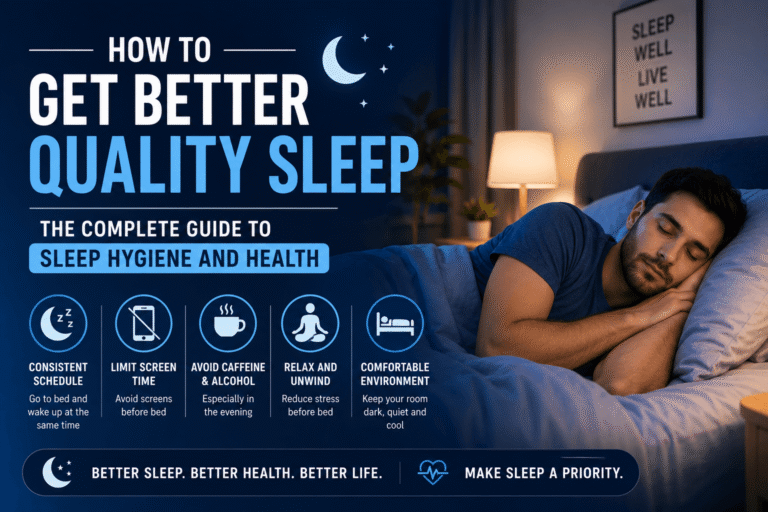
- Good sleep: poor sleep and anxiety feed each other. See our tips on how to get better quality sleep.
- Limit caffeine and alcohol: both can worsen anxiety symptoms.
- Relaxation techniques: slow breathing, mindfulness and progressive muscle relaxation can calm the body’s stress response.
- Stay connected: talking to people you trust reduces isolation.
When to Seek Help
Speak to a doctor if worry is affecting your work, relationships or sleep, if it has lasted for weeks, or if you are using alcohol or other substances to cope. Seek urgent help if you have thoughts of harming yourself.
Frequently Asked Questions
Can GAD be cured? Many people recover fully or learn to manage their symptoms so well that anxiety no longer controls their life.
How long does treatment take? CBT often runs for 12 to 20 sessions. Medication may take 4 to 6 weeks to show full effect.
Are natural remedies effective? Lifestyle changes help, but evidence for herbal supplements is limited, and some interact with medicines. Always check with a doctor first.
The Bottom Line
The best treatment for generalized anxiety disorder is usually cognitive behavioural therapy, medication, or a combination of both, chosen with a qualified professional. Healthy habits such as exercise, good sleep and relaxation techniques support recovery. If anxiety is affecting your life, reaching out for help is the most important first step.
About the Author