
You spend around a third of your life in bed, so your mattress has a real effect on how well you sleep and how you feel during the day. A mattress that is too soft, too firm or worn out can lead to restless nights, back pain and morning stiffness. This guide explains how to choose a good mattress for healthy sleep.
1. Choose the Right Firmness for Your Sleeping Position
Firmness is personal, but your main sleeping position is a good starting point:
- Side sleepers: usually prefer soft to medium mattresses that cushion the shoulders and hips.
- Back sleepers: often do best on medium to medium-firm mattresses that support the lower back.
- Stomach sleepers: generally need a firmer surface to stop the hips sinking and straining the spine.
- Combination sleepers: a responsive medium mattress makes it easier to change position.
Research suggests that a medium-firm mattress is a good choice for many people with lower back pain.
2. Consider Your Body Weight
Heavier people may find softer mattresses sink too much and should look for firmer, thicker models with strong support. Lighter people often find firm mattresses feel harder than expected and may prefer something softer.
3. Understand the Main Mattress Types
- Memory foam: contours closely to the body and reduces motion transfer, good for couples. Some foams can feel warm.
- Innerspring: bouncy and breathable with a traditional feel, but may offer less pressure relief.
- Hybrid: combines springs with foam or latex layers for a balance of support, comfort and airflow.
- Latex: responsive, durable and naturally cooler than most foams, but usually more expensive.
4. Think About Temperature
Being too hot disrupts sleep. If you sleep warm, look for hybrid or latex mattresses, open-cell or gel-infused foams, and breathable covers.
5. Check the Trial Period and Warranty
It can take a few weeks to adjust to a new mattress. Many brands offer home trials of 100 nights or more and warranties of 10 years. Read the return conditions before you buy.
6. Set a Realistic Budget
A more expensive mattress is not always better. Good quality mid-range mattresses are widely available. Focus on support, comfort and durability rather than brand names.
Signs It Is Time to Replace Your Mattress
- It is more than 7 to 10 years old
- You can see sagging, lumps or dips
- You wake up stiff or sore but feel better later in the day
- You sleep better in hotels or other beds
Other Tips for Healthy Sleep
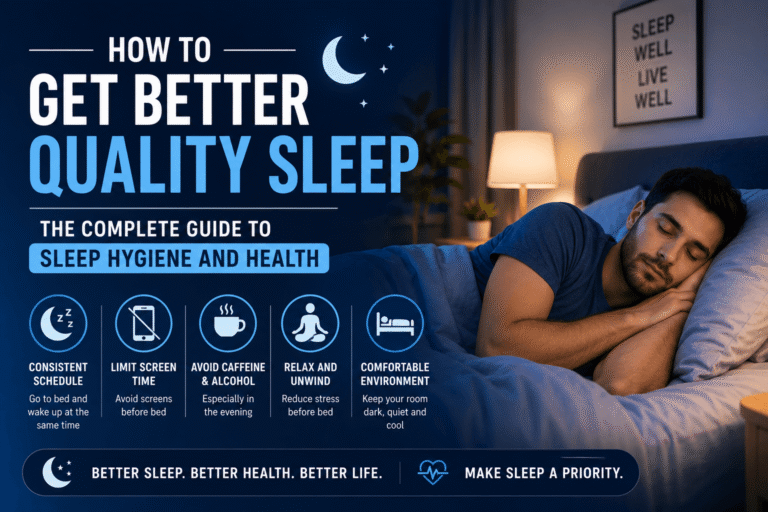
A good mattress works best with a good sleep routine. Choose a supportive pillow for your sleeping position, keep your bedroom cool and dark, and stick to regular sleep times. Read our full guide on how to get better quality sleep, and learn why rest matters for your skin in our beauty sleep guide.
If you have ongoing back pain or sleep problems, speak to a doctor or physiotherapist, as a new mattress may not solve the underlying cause.
Frequently Asked Questions
Is a firm mattress better for your back? Not always. Very firm mattresses can create pressure points. Medium-firm is often the best balance for back support.
How long does it take to get used to a new mattress? Usually between two and four weeks.
The Bottom Line
The best mattress for healthy sleep supports your spine in a neutral position, relieves pressure, suits your sleeping position and body weight, and keeps you comfortable through the night. Take advantage of trial periods so you can be sure it is right for you.
About the Author