
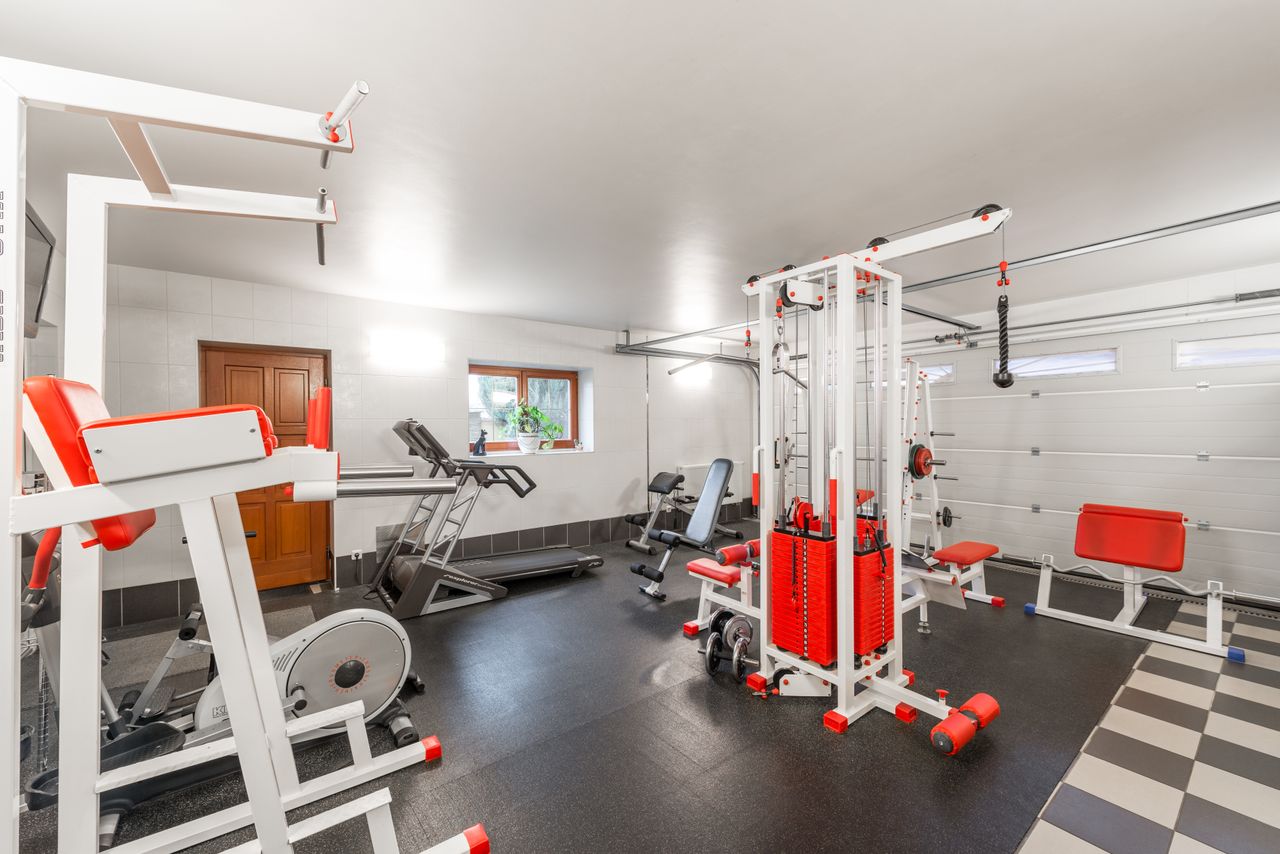
A basement is often the perfect place for a home gym: it is usually quiet, out of the way and has room for equipment. With a little planning, you can turn an unused space into a workout area you actually enjoy using. This guide walks you through preparing the space, choosing flooring, adding ventilation and lighting, and picking the right equipment for your budget.
1. Check and Prepare the Space
- Moisture: basements can be damp. Look for water stains, musty smells or condensation, and fix leaks before installing anything. A dehumidifier helps protect both you and your equipment.
- Ceiling height: measure it carefully. Low ceilings can limit overhead presses, jump rope and some cardio machines.
- Space: plan for equipment plus clear room around it to move safely.
- Electrical outlets: treadmills and other machines may need a dedicated outlet. Use a licensed electrician for any wiring changes.
2. Choose the Right Flooring
Concrete basement floors are hard on joints and equipment. Good options include:
- Rubber gym mats or tiles: durable, shock-absorbing and ideal for weights.
- Foam interlocking tiles: affordable and comfortable for bodyweight training and yoga, but less suitable for heavy weights.
- Rubber rolls: a seamless surface for larger areas.
If moisture is a concern, choose rubber flooring and keep the area well ventilated.
3. Improve Ventilation and Temperature
Basements can feel stuffy during workouts. Add a fan, open windows if available, or use an air purifier and dehumidifier. Keep the temperature comfortable and the air dry to prevent mold and rust.
4. Add Good Lighting and Mirrors
Bright LED lighting makes the space safer and more motivating. Wall mirrors help you check your form and make a small room feel larger. For ideas, see our guide to choosing LED lights for your room.
5. Pick Equipment for Your Goals and Budget
| Budget | Equipment ideas |
|---|---|
| Starter | Exercise mat, resistance bands, jump rope, a pair of adjustable dumbbells |
| Mid-range | Adjustable bench, kettlebells, pull-up bar, more dumbbell weight |
| Advanced | Power rack, barbell and plates, cardio machine such as a rower or bike |
Start with versatile basics, then add equipment as your routine develops. Adjustable dumbbells and a bench offer the most exercise options for the space.
6. Organize and Personalize
- Use racks, shelves and wall hooks to keep weights and accessories off the floor.
- Add a speaker or screen for music and workout videos.
- Keep water, towels and cleaning wipes nearby.
Safety Tips
- Leave enough space around equipment to avoid collisions.
- Anchor racks and heavy items as recommended by the manufacturer.
- Use safety bars or spotter arms when lifting heavy alone.
- Install a smoke detector and make sure there is a safe exit.
The Bottom Line
To build a basement home gym, deal with moisture first, then add protective flooring, ventilation, good lighting and versatile equipment that matches your goals. Start small and build over time. For tips on using your new gym well, read our health and fitness advice for long-term strength.
About the Author