If you receive hemodialysis, your arteriovenous (AV) fistula is your lifeline. It provides the strong blood flow needed for effective dialysis treatments, so keeping it healthy is one of the most important parts of your care. This guide explains what an AV fistula is, how to look after it every day, and which warning signs need urgent attention.
This article is for general information only and does not replace advice from your nephrologist, vascular surgeon or dialysis care team. Always follow the specific instructions you have been given, and contact your care team or emergency services if you have any concerns.
What Is a Dialysis Fistula?
An AV fistula is a connection made by a surgeon between an artery and a vein, usually in the arm. The higher blood flow causes the vein to grow larger and stronger over several weeks, a process called maturing, so it can be used for dialysis needles. Fistulas are generally preferred over grafts and catheters because they tend to last longer and have a lower risk of infection and clotting.
Daily Fistula Care
Check It Every Day
- Feel for the thrill: place your fingers gently over the fistula. You should feel a buzzing or vibrating sensation.
- Listen for the bruit: if your care team has shown you how, you may hear a whooshing sound with a stethoscope or by holding the arm near your ear.
- Look at the skin: check for redness, swelling, warmth, pus or unusual bruising.
Keep It Clean
- Wash the fistula arm with soap and water every day and before each dialysis session.
- Do not scratch or pick at scabs at needle sites.
- Follow your clinic’s instructions for removing dressings after treatment.
Protect the Fistula Arm
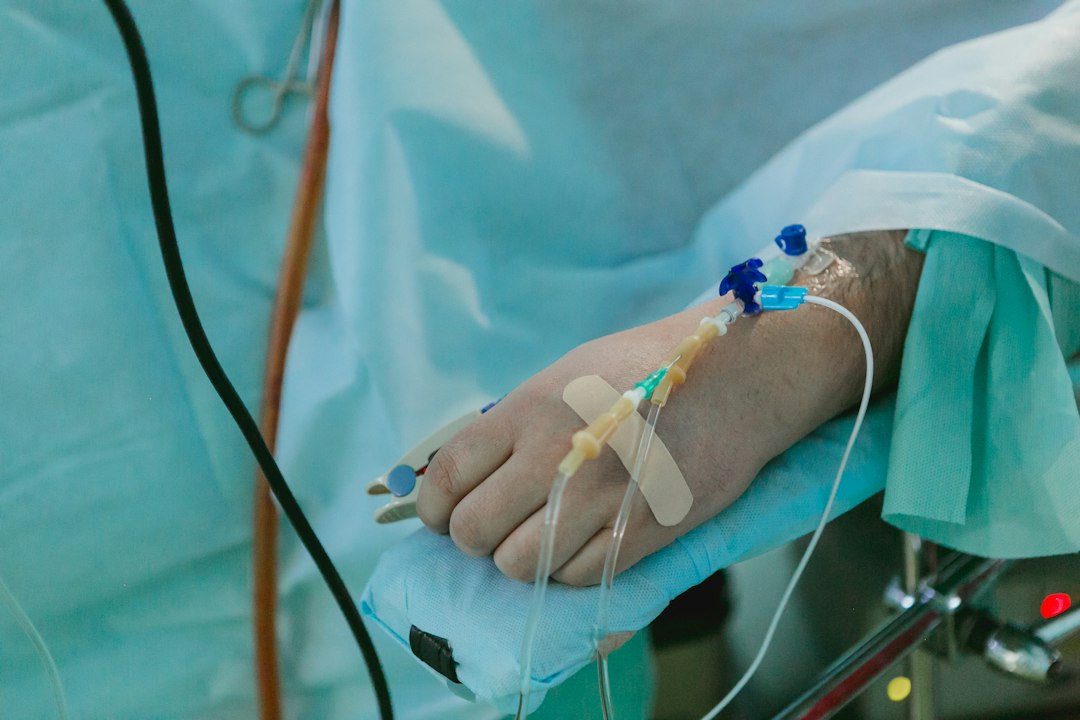
- Do not allow blood pressure readings, blood draws or IV lines in the fistula arm. Remind healthcare staff, and consider a medical alert bracelet.
- Avoid tight clothing, watches, bracelets or bag straps on that arm.
- Do not sleep on the fistula arm or rest your head on it.
- Avoid heavy lifting with that arm, as advised by your care team.
- Protect it from cuts and knocks.
After Each Dialysis Session
- Apply gentle, steady pressure to needle sites as instructed until bleeding stops; do not press so hard that blood flow stops.
- Watch for bleeding after you leave the clinic and know how to apply pressure if it starts again.
- Tell your care team if bleeding takes much longer to stop than usual.
Warning Signs: When to Get Help
Contact your dialysis unit or doctor promptly if you notice:
- The thrill or bruit is weaker, different or gone, which can be a sign of a clot or narrowing
- Redness, warmth, swelling, pus or fever, which can be signs of infection
- New pain, numbness, coldness or color change in the hand or fingers
- Swelling of the arm, hand or face
- A fistula that looks very large, shiny or has thin skin
Seek emergency help immediately if there is heavy bleeding from the fistula that does not stop with firm pressure. Call your local emergency number.
Healthy Habits That Support Your Fistula
- Attend every dialysis session and follow-up appointment.
- Follow your fluid and diet advice to avoid large swings in fluid and blood pressure.
- Take medicines as prescribed and ask before starting new ones.
- Do any hand and arm exercises your care team recommends while a new fistula matures.
- Do not smoke, as smoking damages blood vessels.
The Bottom Line
Daily checks, good hygiene and protecting your fistula arm can help keep your access working well for years. Learn what your normal thrill and bruit feel and sound like, act quickly on warning signs, and keep your dialysis care team informed about any changes. For reliable information, see the National Kidney Foundation.
About the Author