
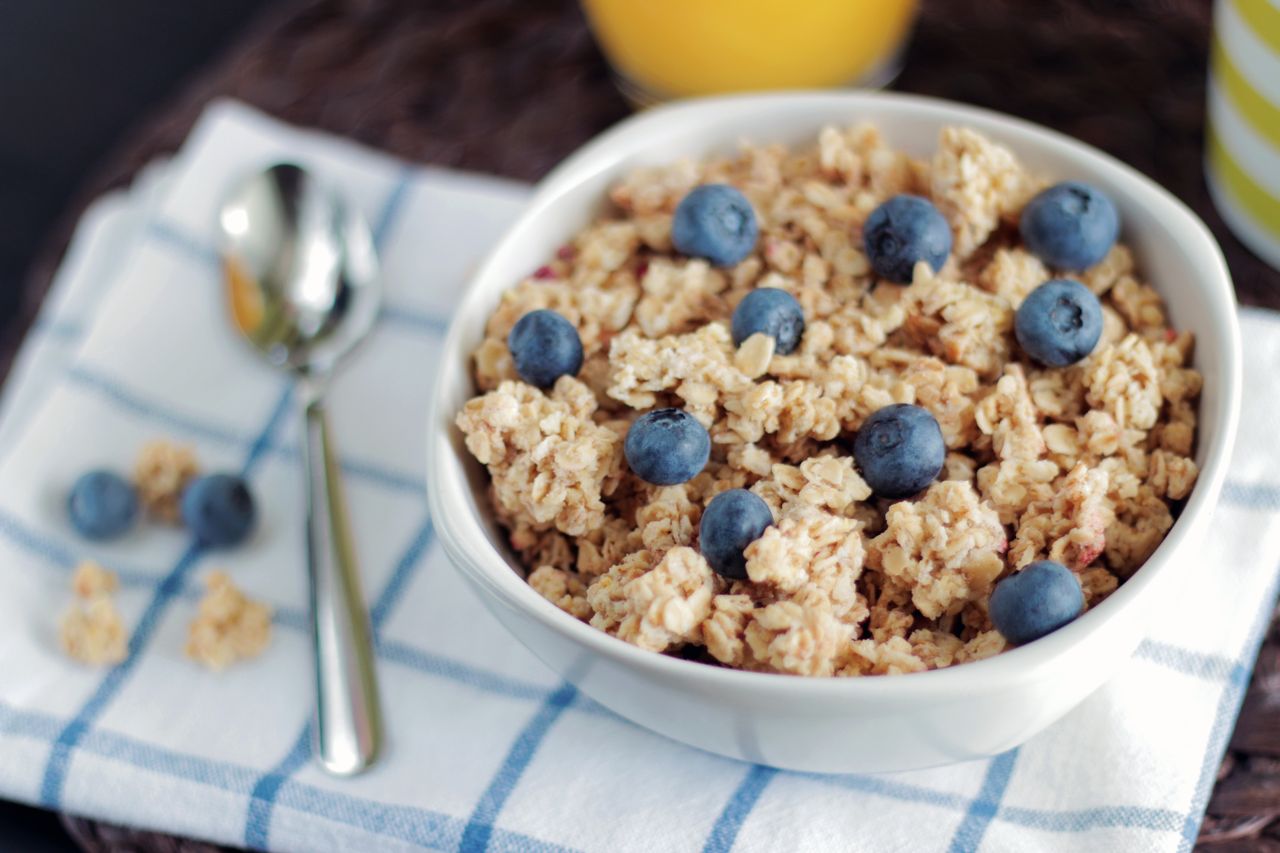
Fibre is one of the most important parts of a healthy diet, yet most adults do not eat enough of it. It supports digestion, helps control blood sugar and cholesterol, and keeps you feeling full. This guide explains what fibre does, how much you need each day, and the easiest ways to eat more.
This article is for general information only and is not medical advice.
What Is Dietary Fibre?
Fibre is the part of plant foods that your body cannot fully digest. Instead of being absorbed, it passes through your digestive system and does useful work along the way. There are two main types:
- Soluble fibre dissolves in water to form a gel. It can help lower cholesterol and steady blood sugar. Found in oats, beans, lentils, apples and citrus fruits.
- Insoluble fibre adds bulk to stool and helps food move through the gut. Found in whole grains, nuts, seeds and vegetable skins.
How Much Fibre Do You Need?
Health guidelines generally recommend about 25 to 30 g of fibre a day for adults (some guidelines suggest up to 38 g for men). Many people eat only around half of this.
Health Benefits of Fibre
1. Better Digestion
Fibre helps prevent constipation and supports regular bowel movements. It also feeds the healthy bacteria in your gut.
2. Heart Health
Soluble fibre can help reduce LDL cholesterol. Diets high in fibre are linked with a lower risk of heart disease.
3. Steadier Blood Sugar
Fibre slows the absorption of sugar, helping to prevent sharp spikes after meals. This is particularly helpful for people with or at risk of type 2 diabetes.
4. Weight Management
High-fibre foods are filling and often lower in calories, which can help you eat less without feeling hungry.
5. Lower Risk of Some Diseases
Higher fibre intake is associated with a lower risk of bowel cancer and type 2 diabetes in large population studies.
Best High-Fibre Foods
- Legumes: lentils, chickpeas, kidney and black beans
- Whole grains: oats, brown rice, wholemeal bread, barley
- Fruit: raspberries, pears, apples with skin, figs and oranges
- Vegetables: broccoli, carrots, peas, sweet potatoes with skin
- Nuts and seeds: chia seeds, flaxseeds, almonds
Simple Ways to Eat More Fibre
- Start your day with porridge or a high-fibre cereal.
- Swap white bread, rice and pasta for wholegrain versions.
- Add beans or lentils to soups, stews and salads.
- Keep the skin on fruit and vegetables where possible.
- Snack on fruit, nuts or vegetable sticks instead of crisps.
Tip: increase fibre gradually and drink plenty of water. Adding a lot of fibre too quickly can cause gas and bloating.
Should You Take a Fibre Supplement?
Whole foods are the best source because they also provide vitamins, minerals and other nutrients. Supplements such as psyllium can help some people, but check with your doctor first, especially if you take medication, as fibre can affect how some medicines are absorbed.
Frequently Asked Questions
What are the signs of not eating enough fibre? Common signs include constipation, feeling hungry soon after meals and blood sugar swings.
Can you eat too much fibre? Very high amounts, especially added suddenly, can cause bloating and discomfort. Increase slowly and drink enough water.
The Bottom Line
Most people would benefit from eating more fibre. Aim for 25 to 30 g a day from a variety of whole grains, legumes, fruit, vegetables, nuts and seeds, and increase your intake gradually for the best results.
About the Author