
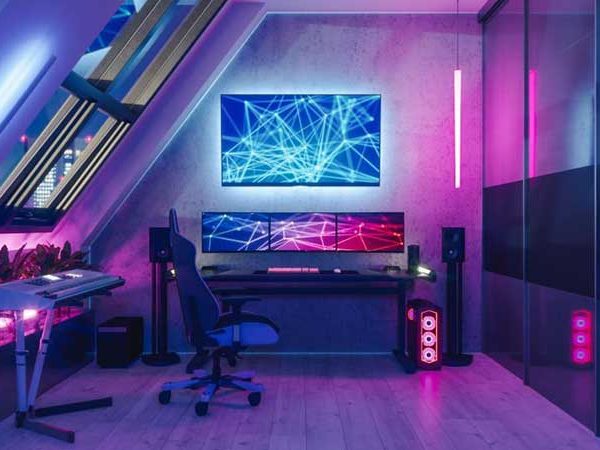
LED lighting is now the standard choice for homes, and for good reason: LEDs use far less energy than old incandescent bulbs, last much longer and come in a huge range of brightness levels and colors. But with so many options, choosing the right LED lights for each room can be confusing. This guide explains the key terms and how to pick lighting that looks great and suits how you use each space.
Why Choose LED Lights?
- Energy efficient: LEDs use a fraction of the electricity of incandescent bulbs for the same brightness.
- Long-lasting: many LED bulbs are rated for 15,000 to 25,000 hours or more.
- Low heat: they stay much cooler than traditional bulbs.
- Flexible: available in many shapes, colors and smart options.
1. Understand Lumens (Brightness)
With LEDs, brightness is measured in lumens, not watts. As a rough guide:
- About 450 lumens is similar to an old 40-watt bulb
- About 800 lumens is similar to a 60-watt bulb
- About 1,100 lumens is similar to a 75-watt bulb
- About 1,600 lumens is similar to a 100-watt bulb
2. Choose the Right Color Temperature
Color temperature, measured in Kelvin (K), describes how warm or cool the light looks:
| Color temperature | Look | Best for |
|---|---|---|
| 2700K to 3000K | Warm white, cozy | Bedrooms, living rooms, dining areas |
| 3500K to 4000K | Neutral white | Kitchens, bathrooms, home offices |
| 5000K to 6500K | Cool white, daylight | Workspaces, garages, task lighting |
3. Check the CRI
The Color Rendering Index (CRI) shows how accurately a light displays colors, on a scale up to 100. For homes, look for a CRI of 80 or higher, and 90 or higher where color accuracy matters, such as kitchens, bathrooms and makeup areas.
4. Layer Your Lighting
The best rooms use three layers of light:
- Ambient: general lighting such as ceiling fixtures.
- Task: focused light for reading, cooking or working, such as desk lamps and under-cabinet lights.
- Accent: decorative lighting such as LED strips, wall lights or picture lights.
Room-by-Room Recommendations
- Bedroom: warm white (2700K) with dimmable bulbs to help you wind down. See our tips on better quality sleep.
- Living room: warm white ambient light with lamps and accent lighting.
- Kitchen: bright neutral white with under-cabinet task lights.
- Bathroom: neutral white with high CRI around the mirror.
- Home office: neutral to cool white with a good desk lamp to reduce eye strain.
5. Consider Dimmable and Smart LEDs
Dimmable LEDs let you adjust the mood, but check that your bulbs and dimmer switches are compatible to avoid flickering. Smart LEDs can be controlled by an app or voice assistant and can change color temperature or color throughout the day.
6. Check Labels and Quality
- Look for energy-efficiency certifications such as ENERGY STAR.
- Check the rated lifespan and warranty.
- Use bulbs rated for enclosed fixtures or damp locations where needed.
The Bottom Line
To choose the perfect LED lights, decide how bright each room needs to be (lumens), pick a color temperature that suits its purpose, look for good color rendering and layer ambient, task and accent lighting. The right lighting can make any room more comfortable and inviting. For more ideas, read how to make your home interior look luxurious.
About the Author