What Is the Premier League?
The Premier League is England’s top professional football division and arguably the most popular sports competition on the planet. Featuring 20 clubs battling across a grueling season, it sits at the summit of the English football pyramid and serves as the gold standard for club football worldwide.
Founded in 1992 after a dramatic split from the Football League, the competition was designed to maximize commercial revenue and reshape the way the sport was consumed. Unlike many leagues, the English Premier League operates as a corporation owned collectively by its 20 member clubs, with each holding a stake and a vote on key decisions.
Its position atop the English football ladder means every match carries weight, from title races to relegation battles. The league’s blend of competitive intensity, global stars, and storied clubs makes it must-watch entertainment week after week.
History and Evolution of the Premier League
The roots of the league stretch back to 1992, when England’s top-flight clubs broke away from the First Division to form a new, commercially independent competition. The move was driven by clubs wanting greater control over television rights and sponsorship deals, which had previously been distributed across the entire Football League.
The transformative moment came with the Sky Sports broadcasting deal, which injected unprecedented money into the game. Suddenly, matches were broadcast in high quality, with slick presentation, expert pundits, and Monday Night Football becoming an institution.
Key Milestones Over Three Decades
Over the past 30 years, Premier League history has been shaped by rule changes such as the introduction of VAR, squad size limits, and homegrown player quotas. The league reduced from 22 clubs to 20 in 1995, and goal-line technology arrived in 2013.
Today, the competition has grown into the world’s most-watched sports league, broadcasting to a cumulative audience of billions across every continent.
How the Premier League Works
Each season runs from August to May, with every club playing 38 matches — one home and one away game against the other 19 teams. Three points are awarded for a win, one for a draw, and none for a loss.
If teams finish level on points, tiebreakers are applied in order: goal difference, goals scored, and then head-to-head results. The team at the top after 38 games is crowned champion.
Promotion, Relegation, and European Qualification
The bottom three clubs are relegated to the Championship, the second tier, while three clubs are promoted up to take their places. This system of promotion and relegation keeps every match meaningful, even late in the season for struggling sides.
The top four clubs qualify for the UEFA Champions League, while fifth and sixth typically enter the Europa League and Conference League respectively, depending on cup results.
Top Premier League Clubs and Rivalries
The historical powerhouses of the league include Manchester United, Liverpool, Arsenal, and Chelsea — each with multiple titles and devoted global fanbases. Manchester United dominated the early decades under Sir Alex Ferguson, claiming 13 league crowns.
In recent years, Manchester City has emerged as the modern superpower, winning multiple consecutive titles under Pep Guardiola. New contenders like Newcastle United and Aston Villa are also rising thanks to ambitious ownership and investment.
Iconic Rivalries
The North West Derby between Manchester United and Liverpool is one of football’s most heated fixtures, fueled by decades of trophy battles. The North London Derby between Arsenal and Tottenham, the Merseyside Derby, and the Manchester Derby all generate huge global interest.
Since 1992, only a handful of clubs — Manchester United, Arsenal, Chelsea, Manchester City, Blackburn Rovers, Leicester City, and Liverpool — have lifted the trophy, with Leicester’s 2016 triumph standing as one of sport’s greatest underdog stories.
Star Players and Legendary Managers
The league has been graced by some of football’s all-time greats. Thierry Henry’s elegance at Arsenal, Alan Shearer’s record-breaking 260 goals, Cristiano Ronaldo’s flair at Manchester United, and Steven Gerrard’s leadership at Liverpool defined eras.
Today’s stars include Erling Haaland, Mohamed Salah, Bukayo Saka, and Bruno Fernandes, each pushing the league’s quality and entertainment value to new heights.
Managers Who Shaped the Game
From Sir Alex Ferguson’s relentless winning machine to Arsène Wenger’s revolutionary approach to fitness and diet, the dugout has produced legends. José Mourinho brought silverware and drama, while Pep Guardiola and Jürgen Klopp have redefined tactical football in the modern era.
Individual honors like the Golden Boot for top scorer and the Player of the Season award celebrate standout performers each campaign.
Global Impact and Commercial Success
Few sporting properties match the league’s global reach. Matches are broadcast in over 200 territories, reaching homes from Lagos to Los Angeles, Mumbai to Manila. This worldwide popularity drives multi-billion-pound TV rights deals that fund player wages, stadium development, and youth academies.
Revenue is distributed relatively equitably compared to other major leagues, with even the bottom club receiving substantial payments. This financial muscle allows English clubs to attract the world’s best talent and pay competitive wages.
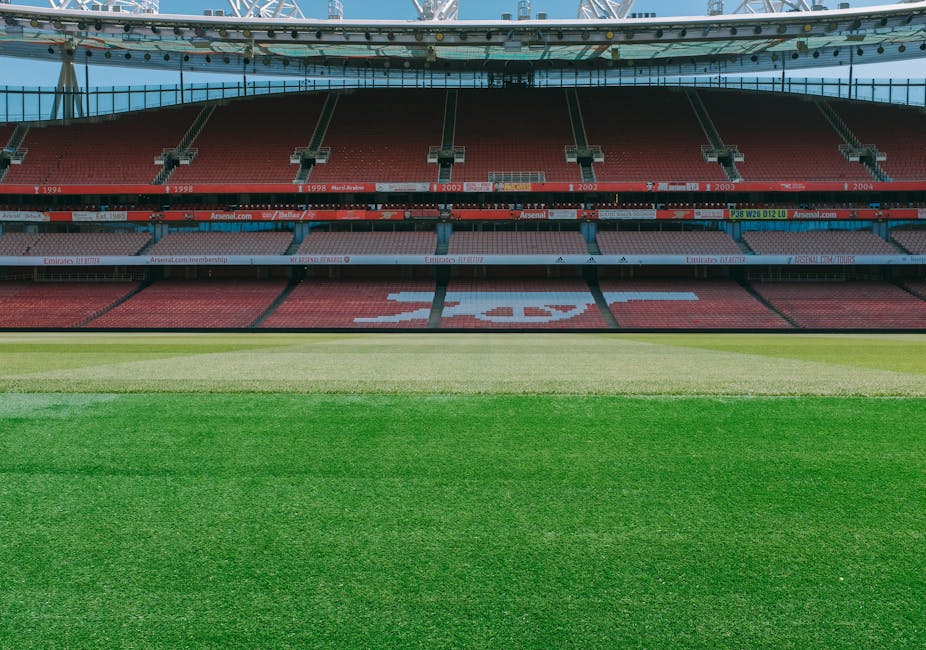
The economic ripple effect extends beyond football. Tourism around matchday weekends contributes significantly to England’s economy, with fans traveling internationally to visit iconic stadiums like Old Trafford, Anfield, and the Emirates.
How to Watch and Follow the Premier League
In the UK, matches are broadcast by Sky Sports, TNT Sports, Amazon Prime Video, and the BBC (for highlights via Match of the Day). In the United States, NBC Sports holds the rights and streams nearly every match on Peacock.
Globally, broadcasters like beIN Sports, Optus Sport, and SuperSport carry matches, while official mobile apps deliver EPL standings, Premier League fixtures, live scores, and highlights directly to phones.
Fan Engagement and Fantasy Football
Fantasy Premier League has become a global phenomenon, with over 11 million managers competing each season by selecting squads of real players and earning points based on their performances. It’s a brilliant way to deepen your connection with the league.
Social media, podcasts, and YouTube channels offer constant analysis and debate, while official club apps push news directly to supporters. Following live scores has never been easier through services like the official Premier League app and major sports websites.
Practical takeaway: If you’re new to following the top football league England has to offer, pick a club whose style, history, or local connection resonates with you, download the official Premier League app for fixtures and standings, and consider joining Fantasy Premier League. Within a few matchweeks, you’ll be hooked on the drama, debates, and brilliance that make this competition unlike any other in world sport.
About the Author