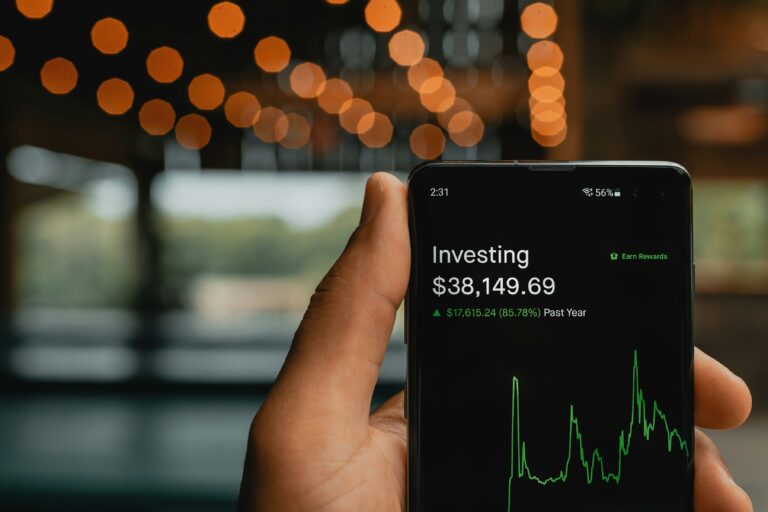
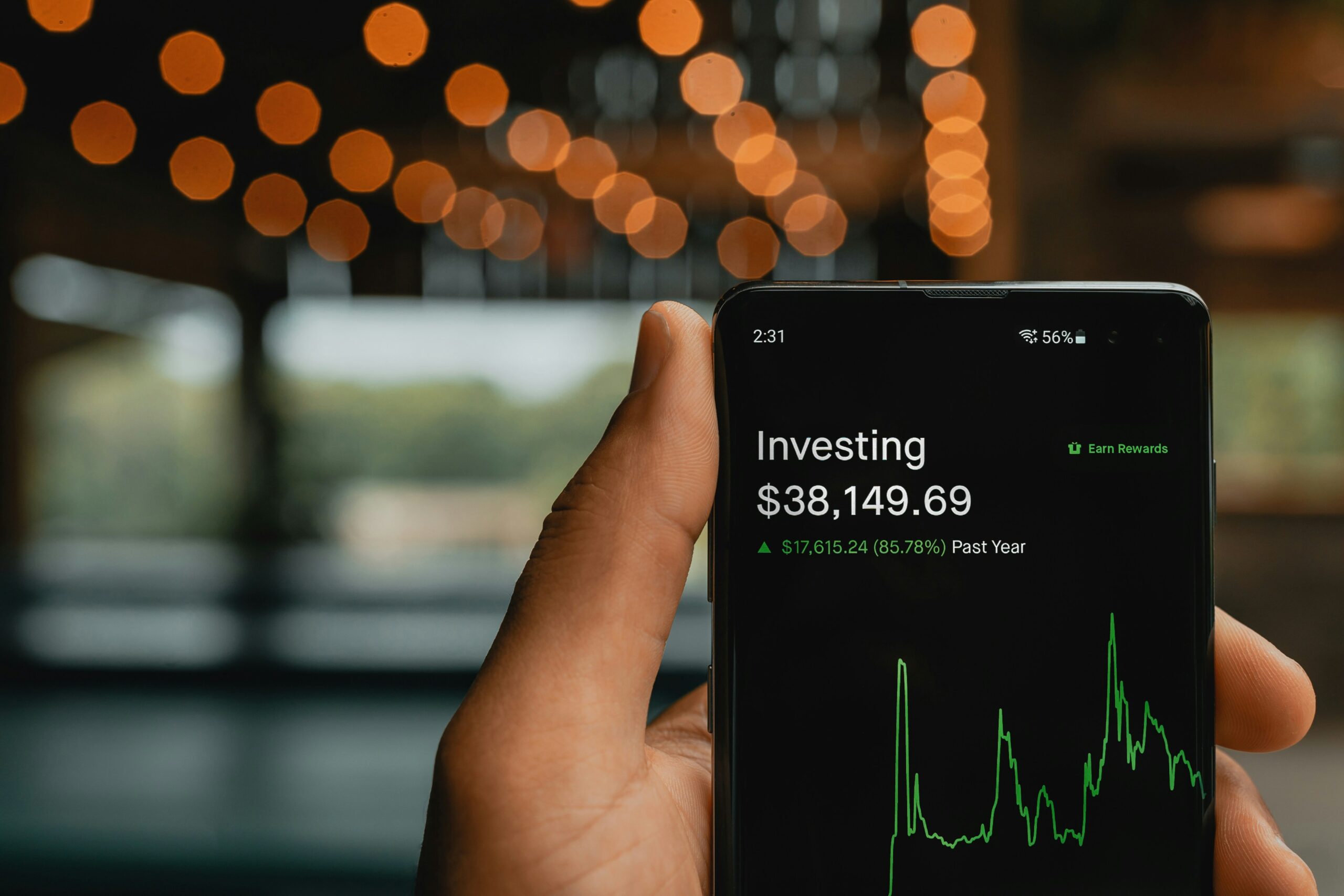
Most people in their 20s are playing financial defense — covering rent, paying off student loans, and hoping there’s something left at the end of the month. Meanwhile, a small group of people the same age are quietly doing something different. They’re building real, lasting wealth.
The gap between the two groups isn’t income. It’s not luck either. It comes down to five financial levers that, when pulled early, create a compounding effect that changes everything by the time you hit 40.
If you’ve ever searched how to build wealth young and got overwhelmed by complicated advice, this article is for you. No jargon. No unrealistic shortcuts. Just the five things that actually move the needle.
Invest $500/month starting at age 25 → $1.2 million by age 55.
Wait until 35 to start the same habit → just $600,000. That’s $600,000 lost — not by earning less, but by starting late.
Time is the one asset you can never buy back. Your 20s are the only decade where you have 40+ years of compounding in front of you. Let’s not waste it.
Grow Your Income First — Everything Else Follows
Here’s something most personal finance advice gets backwards: in your 20s, your earning power matters more than your budgeting skills. Cutting your daily coffee saves you $5. Negotiating a raise or switching jobs strategically can save — or earn — you $10,000 to $30,000 a year.
Increasing your income from $50,000 to $80,000 has a larger long-term wealth effect than any expense you could possibly trim. The math is that simple.
- Invest in skills that pay — coding, sales, data, writing, design
- Negotiate every job offer — most people never do, and it costs them thousands
- Switch jobs every 2–3 years if your salary isn’t growing at 10%+ annually
- Build a side income stream — freelancing, consulting, content creation
Wealth building starts with income. You can’t save or invest your way to financial freedom on a salary that barely covers your bills. Pull this lever first.
Make Compound Interest Work For You — Not Against You
Albert Einstein reportedly called compound interest the eighth wonder of the world. Whether he said it or not, the math backs it up completely.
When you invest early, your money earns returns. Then those returns earn returns. Then those returns earn returns on their returns. Over 40 years, this snowball effect becomes extraordinary. Over 10 years, it barely feels like it’s moving. That’s why most people give up — they don’t see compound interest working in their 20s. But it’s working.
Invest $5,000/year from age 25 to 35, then stop completely → $787,000 by age 65.
Wait until 35 and invest $5,000/year for 30 straight years → only $612,000. Starting early and stopping beats starting late and never stopping.
The action item here is simple: open an investment account today. Not next month. Today. Even $50 a month matters more than you think when you’re 23.
Automate Your Savings — Willpower Is Not a Strategy
Every financial plan that relies on willpower eventually fails. You’ll have a bad month. An unexpected expense will come up. You’ll tell yourself you’ll catch up next month and then never do.
The solution is automation. Set up an automatic transfer to your savings and investment accounts the same day your paycheck arrives. Pay yourself first — before rent, before food, before fun. Whatever is left over is what you spend.
Spend first, save whatever’s left. Most months: nothing left. Wealth: near zero after 5 years.
Save first, spend what’s left. Every month: consistent growth. Wealth: substantial after 5 years.
A good target in your 20s is saving and investing at least 20% of your take-home income. If that feels impossible right now, start with 5% and increase it by 1% every three months. Systems beat willpower every single time.
Kill High-Interest Debt — It’s Negative Compounding
Compound interest is your best friend when it’s working for you. It’s your worst enemy when it’s working against you. Credit card debt at 20–25% interest is compound interest in reverse — your debt snowballs faster than any investment can keep up with.
Before you think about aggressive investing, eliminate high-interest debt. This isn’t a popular opinion in the “hustle culture” space, but mathematically it’s undeniable. You can’t out-invest a 24% APR credit card.
- List all debts with their interest rates
- Pay minimums on everything, then throw every extra dollar at the highest-rate debt first
- Once high-interest debt is gone, redirect those payments to investments
- Student loans under 6% interest are lower priority — invest alongside paying those off
Getting out of high-interest debt is the highest guaranteed return you’ll ever find. Paying off a 22% APR card is like earning a guaranteed 22% on your money — no investment consistently beats that.
Invest in Low-Cost Index Funds — Stop Trying to Beat the Market
Once you have income growing, savings automated, and debt under control, the next question is: where do you actually put your money?
The answer, backed by decades of data, is boring: low-cost index funds. Funds that track the entire stock market — like S&P 500 index funds — consistently outperform over 90% of professional fund managers over a 20-year period. And they do it with almost no effort required from you.
In 2026, high-yield savings accounts are offering 4–5% APY for your emergency fund. For long-term wealth, index funds in a Roth IRA or 401(k) remain the most proven vehicle available to everyday investors. The 401(k) contribution limit in 2026 is $23,500 annually — if your employer offers matching, that’s free money you should always take first.
- Max your employer’s 401(k) match — it’s an instant 50–100% return
- Open a Roth IRA and contribute up to $7,000/year (2026 limit)
- Invest in broad market index funds with expense ratios under 0.1%
- Don’t try to time the market — consistency beats cleverness every time
- Keep 3–6 months of expenses in a high-yield savings account as your emergency fund
Building wealth young isn’t about making more moves. It’s about making the right moves early — and letting time do the heavy lifting.
The Wealth Gap Starts in Your 20s
The five levers — growing income, using compound interest, automating savings, eliminating high-interest debt, and investing in index funds — aren’t complicated. But most people never pull all five at the same time. The ones who do build wealth that looks effortless by the time they’re 40. Start today. Even imperfectly. The cost of waiting is far higher than the cost of starting small.
About the Author