
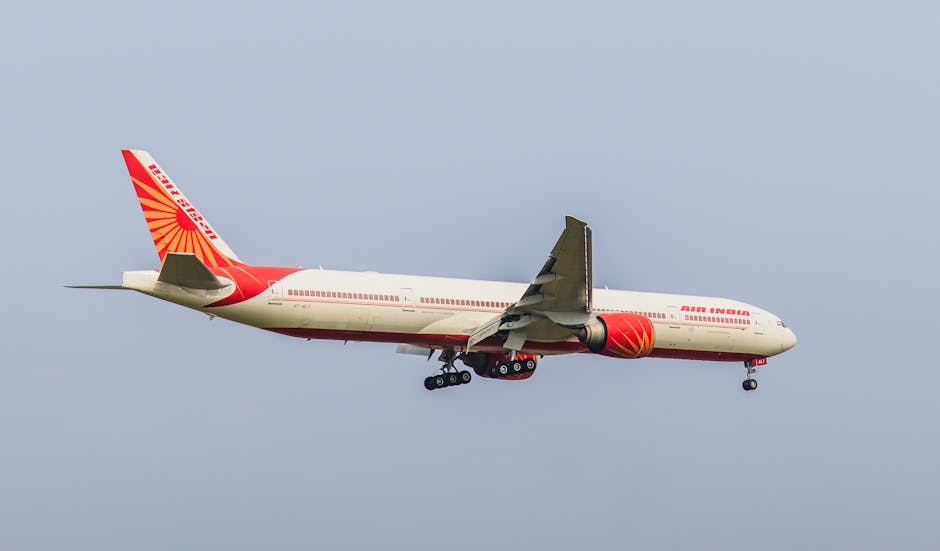
Introduction to Air India
The Air India airline stands as India’s national flag carrier, representing the country’s aviation ambitions on the global stage for over nine decades. Founded in 1932 by the visionary J.R.D. Tata as Tata Air Services, it began as a small mail-carrying operation before evolving into one of Asia’s most recognized airlines.
Today, Air India operates as a full-service international carrier offering passenger and cargo services across six continents. As India’s flag carrier, it plays a critical role in connecting the world’s most populous nation to major global cities, supporting trade, tourism, and the vast Indian diaspora spread across the world.
The History and Evolution of Air India
The airline started its journey carrying mail between Karachi and Bombay before being rebranded as Air India in 1946 following its public listing. The Indian government nationalized the carrier in 1953 under the Air Corporations Act, separating domestic operations into Indian Airlines and international services under Air India.
The 1960s and 70s marked Air India’s golden era, with its iconic Maharajah mascot becoming synonymous with hospitality and luxury aviation. The airline was among the first to operate the Boeing 747 jumbo jet and proudly served routes across the globe.
The 1990s and 2000s brought significant challenges including mounting debts, operational inefficiencies, and increased competition from private carriers. After decades of financial struggle, the Indian government privatized the airline, with the Tata Group reclaiming ownership in January 2022—a remarkable homecoming after nearly 70 years.
Air India Under the Tata Group: A New Era
The Air India Tata Group ownership has triggered a sweeping transformation through the Vihaan.AI roadmap launched in late 2022. This five-year strategic plan aims to reposition Air India as a world-class global airline within this decade.
Key milestones include the merger with Vistara (completed in 2024) and integration of Air India Express to consolidate the Tata aviation portfolio. The airline made aviation history with a record-breaking order of 470 aircraft from Airbus and Boeing, signaling its serious ambitions for expansion.
Cabin refurbishment programs, refreshed crew uniforms designed by Manish Malhotra, upgraded in-flight services, and a complete digital overhaul are all part of the ongoing makeover focused on restoring Air India’s reputation for excellence.
Air India Fleet and Aircraft
The Air India fleet includes a robust mix of wide-body and narrow-body aircraft. For long-haul international routes, the airline deploys Boeing 777-300ERs and Boeing 787-8 Dreamliners equipped with premium cabin configurations.
Domestic and short-haul international services rely on the Airbus A320 family, including A320neos and A321neos for fuel efficiency. New deliveries from the historic order include the Airbus A350-900, which entered service in 2024 with state-of-the-art interiors featuring lie-flat business class seats, premium economy, and refreshed economy cabins.
Domestic and International Route Network
Air India operates from major Indian hubs including Delhi, Mumbai, Bengaluru, Chennai, Hyderabad, and Kolkata. Its domestic network covers over 50 cities across the country.
Internationally, Air India routes span North America (New York, Newark, Washington, Chicago, San Francisco, Toronto, Vancouver), Europe (London, Paris, Frankfurt, Amsterdam, Milan), Australia (Sydney, Melbourne), East Asia, Southeast Asia, and Gulf destinations. Non-stop flights between India and the US are a particular strength.
As a Star Alliance member since 2014, Air India offers seamless connectivity through codeshare partnerships with Lufthansa, United Airlines, Singapore Airlines, and many other global carriers.
Cabin Classes and Onboard Experience
Depending on the aircraft, Air India flights offer up to four cabin classes: First Class (on select 777s), Business Class with lie-flat seats, Premium Economy, and Economy.
In-flight dining features a curated selection of Indian regional cuisines alongside international options, with vegetarian, Jain, and other special meals available on request. The airline has upgraded its entertainment systems with newer aircraft offering personal touchscreens, expanded content libraries, and progressive Wi-Fi rollouts.
Baggage Allowance
Baggage allowances vary by route and class—typically 25-35 kg for international economy, 40 kg for business class, and 50 kg for first class. Domestic travelers usually receive 15-25 kg depending on the fare type purchased.
Booking Air India Flights: Tips and Tricks
The easiest way to handle Air India booking is through the official website (airindia.com) or the redesigned mobile app, which offers exclusive deals and faster check-in. Third-party platforms like MakeMyTrip and Skyscanner can be useful for comparing fares.
Best Booking Practices
For cheaper international fares, book at least 6-8 weeks in advance and avoid peak Indian holiday seasons like Diwali and Christmas. Tuesdays and Wednesdays often have lower prices than weekend departures.
Web check-in opens 48 hours before departure for most flights. Travelers can manage bookings, request refunds, change flights, and select seats through the “My Trips” portal, though premium seat selection may carry an additional charge for economy passengers.
Flying Returns: Air India’s Loyalty Program
Flying Returns is one of the oldest frequent flyer programs in Asia, dating back to 1994. Members earn miles on every Air India flight as well as on partner carriers within the Star Alliance network.
The program features three tier levels: Silver, Gold, and Platinum, each offering increasing benefits like extra baggage, priority check-in, lounge access, and dedicated customer service. Miles can be redeemed for award flights, upgrades, and partner experiences.
Gold and Platinum members enjoy Star Alliance Gold benefits across 25+ partner airlines worldwide, including lounge access at hundreds of airports globally.
Future Outlook and Challenges
Air India faces intense competition from domestic budget carrier IndiGo, which dominates the Indian market, as well as from international giants like Emirates, Qatar Airways, and Singapore Airlines on global routes.
The airline aims to capture a significantly larger share of international traffic to and from India—currently dominated by Gulf carriers offering one-stop connections. With the new fleet enabling direct services, Air India is positioning itself to bring this traffic back.
Sustainability and Digital Goals
Sustainability initiatives include adopting fuel-efficient aircraft like the A350 and 787, exploring Sustainable Aviation Fuel (SAF) usage, and lowering per-seat emissions. Customer service improvements through AI-powered chatbots, modernized call centers, and a redesigned digital experience are central to winning back loyal flyers.
Final Thoughts for Travelers
If you’re planning to fly with Air India in 2024, book early through the official channels, join Flying Returns before your first trip to start accumulating miles, and check whether your route operates the newer A350 or refurbished aircraft for the best experience. With the Tata-led transformation gathering pace, this is an interesting time to rediscover India’s flag carrier—keep expectations realistic on older aircraft while looking forward to the upgraded fleet rolling out steadily over the coming years.
About the Author