Benefits of Using Technology to Transport Water (Modern Solutions for a Critical Resource)
Water is one of the most essential resources for human survival, agriculture, and industry. However, delivering clean and reliable water from its source to where it is needed has always been a challenge—especially in areas with difficult terrain, growing populations, or limited infrastructure.
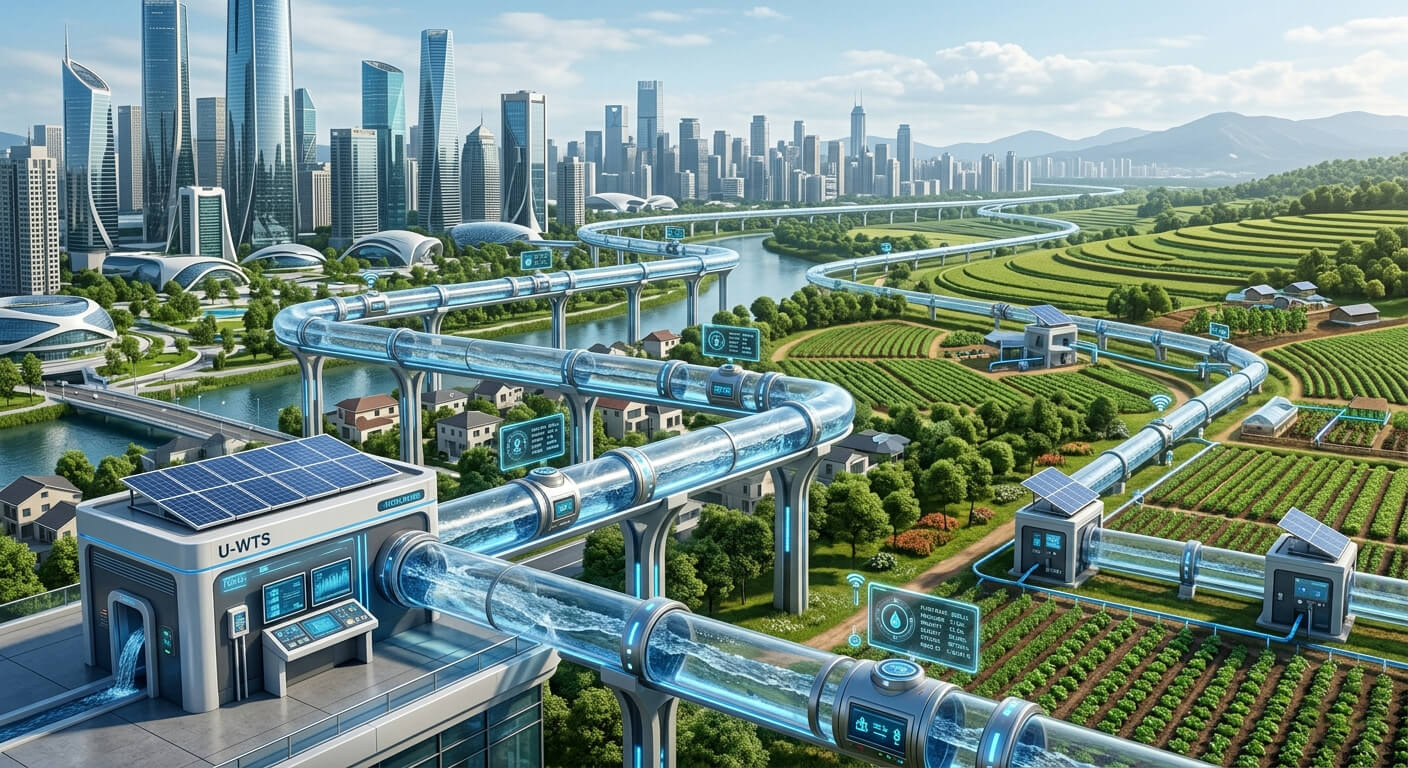
Modern water transportation technology has changed everything. From smart pipelines to automated pumping systems, technology is transforming how water is moved, monitored, and managed.
1. Improved Efficiency and Faster Water Delivery
Traditional water systems often depend on gravity or manual control, which can be slow and inconsistent.
Today’s systems use:
- Automated pumping stations
- Pressurized pipelines
- IoT-based flow monitoring
These technologies ensure faster and more efficient water delivery to homes, farms, and industries with minimal delay.
2. Reduced Water Wastage
Water leakage is one of the biggest issues in traditional systems.
Modern solutions include:
- Smart leak detection sensors
- Pressure monitoring systems
- AI-based maintenance alerts
These tools detect leaks early and help prevent large-scale water loss, saving both water and money.
3. Cost-Effective Long-Term Investment
While modern systems require upfront investment, they significantly reduce long-term expenses by:
- Lowering maintenance costs
- Reducing manual labor needs
- Preventing system breakdowns
This makes technology-driven water transport highly cost-efficient over time.
4. Better Access in Remote Areas
Technology helps deliver water to difficult regions such as:
- Rural villages
- Mountain areas
- Dry and drought-prone zones
Solar-powered pumps and automated pipelines make it possible to supply water even where electricity is limited or unavailable.
5. Real-Time Monitoring and Control
Smart water systems provide real-time data on:
- Water pressure
- Flow rate
- System performance
- Water quality
Operators can monitor and control the system remotely, ensuring better reliability and faster response to issues.
6. Environmental Sustainability
Technology supports sustainable water management by:
- Reducing unnecessary water extraction
- Lowering energy consumption
- Promoting efficient distribution
This helps protect natural water resources for future generations.
7. Reliable Supply During Emergencies
During floods, droughts, or infrastructure failures, smart systems can:
- Automatically reroute water
- Maintain backup storage
- Support emergency distribution
This ensures continuous water access during critical situations.
Conclusion
Technology has completely transformed water transportation systems. It improves efficiency, reduces waste, ensures sustainability, and provides reliable access even in remote areas.
As global water demand continues to rise, smart water transportation systems will play a crucial role in building a sustainable future.
About the Author