
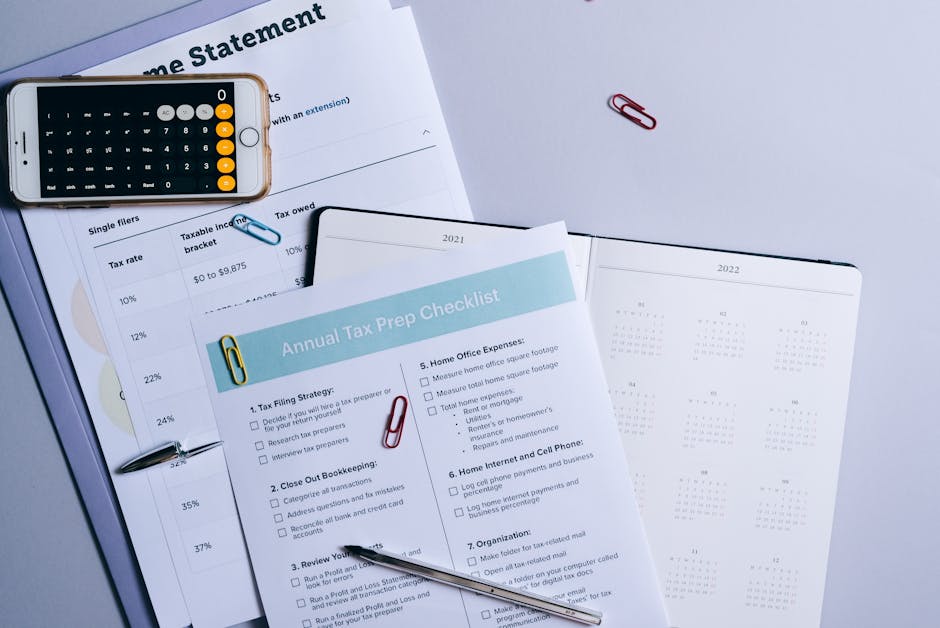
Why Tax Planning Matters for Small Businesses
Effective tax planning strategies for small business owners can mean the difference between scraping by and building real wealth. Taxes are often the single largest expense a business faces, yet many entrepreneurs treat them as a once-a-year scramble rather than an ongoing financial decision. With the right approach, you can legally reduce what you owe, free up cash for growth, and avoid unpleasant surprises every April.
The Difference Between Tax Planning and Tax Preparation
Tax preparation is reactive — it’s the process of filing what already happened. Tax planning, on the other hand, is proactive. It involves making strategic decisions throughout the year to legally minimize your liability. Planning happens before the transaction; preparation happens after.
How Proactive Planning Improves Cash Flow and Profitability
When you understand your tax position in real time, you can time purchases, manage payroll, and reinvest profits more intelligently. Better cash flow means more runway for marketing, hiring, and emergencies.
Common Consequences of Poor or Last-Minute Tax Planning
Procrastinating leads to missed deductions, underpayment penalties, and rushed decisions that often cost thousands. Worse, sloppy records can trigger audits that drag on for months.
Choose the Right Business Structure
Your entity type directly shapes how your income is taxed. Sole proprietorships and single-member LLCs report income on Schedule C and pay self-employment tax on every dollar of profit. C-corps face double taxation but offer flexibility with retained earnings. S-corps sit somewhere in between, allowing owners to split income between salary and distributions.
When to Consider an S-Corp Election
Once your net profit consistently exceeds about $40,000–$50,000, the S-corp tax benefits often outweigh the added compliance costs. By paying yourself a reasonable salary and taking the remainder as distributions, you can significantly reduce self-employment tax.
Reassessing Your Entity as Your Business Grows
The structure that worked at $80,000 in revenue may not fit at $800,000. Review your entity annually with an advisor, especially after major changes like adding partners, hiring employees, or expanding into new states.
Maximize Deductions and Business Expenses
Every legitimate dollar you deduct lowers your taxable income. Yet small business tax deductions are routinely missed because owners don’t know they qualify or fail to keep proper records.
Commonly Overlooked Deductions
Home office expenses, business mileage, professional development, subscriptions, software, bank fees, and a portion of your phone and internet bills all add up quickly. Even business meals are 50% deductible when properly documented.
Section 179 and Bonus Depreciation
If you’re buying equipment, vehicles, or technology, Section 179 allows you to deduct the full purchase price in the year you place the asset in service, up to generous annual limits. Bonus depreciation can further accelerate write-offs on qualifying property.
Documenting Expenses to Withstand an Audit
Save receipts, use a dedicated business bank account, and log mileage with an app. Clean records protect every deduction you claim.
Leverage Retirement Plans for Tax Savings
Few moves deliver as much immediate impact on small business tax savings as funding the right retirement plan. Contributions reduce current-year taxable income while building long-term wealth.
SEP IRA, SIMPLE IRA, and Solo 401(k) Comparison
A SEP IRA is simple to set up and allows employer contributions up to 25% of compensation. A SIMPLE IRA works well for businesses with a small team. A Solo 401(k) is often the best choice for owner-only businesses because it permits both employee and employer contributions, allowing the highest total deferral.
How Retirement Contributions Lower Taxable Income
Every pre-tax dollar contributed reduces your adjusted gross income, which can also drop you into a lower bracket and preserve other tax benefits tied to income thresholds.
Time Income and Expenses Strategically
Cash-basis businesses have considerable flexibility in deciding when income and expenses hit the books. Used wisely, timing becomes one of the most powerful small business tax tips available.
Deferring Income to the Next Tax Year
If you expect to be in the same or lower bracket next year, delay invoicing late-December clients until January. The income still arrives — just in a different tax year.
Accelerating Expenses Before Year-End
Conversely, prepaying rent, stocking up on supplies, or making planned equipment purchases before December 31 can pull deductions into the current year and reduce small business taxes immediately.
Cash vs. Accrual Accounting Method
Cash-basis accounting generally offers more timing flexibility, while accrual provides a clearer picture of long-term profitability. Most small businesses under the IRS gross receipts threshold can choose either.
Take Advantage of Tax Credits
Credits are more valuable than deductions because they reduce your tax bill dollar-for-dollar. Many small business tax credits go unclaimed simply because owners don’t realize they qualify.
R&D Tax Credit
The Research & Development credit isn’t just for labs. Software developers, manufacturers, food producers, and even agencies improving processes may qualify.
Work Opportunity Tax Credit
Hiring veterans, long-term unemployed individuals, or workers from certain target groups can earn you a credit of up to $9,600 per qualifying employee.
Energy and Health Care Credits
Installing solar panels, upgrading to efficient HVAC systems, or providing health insurance to employees can all yield meaningful credits. Always check both federal and state programs, as many states layer their own incentives on top.
Plan for Quarterly Estimated Taxes
The IRS expects you to pay as you earn. Falling behind on quarterly estimated taxes triggers penalties and interest that compound the longer you wait.
How to Calculate and Pay Quarterly Estimates
Estimate your annual income, subtract deductions, and apply expected tax rates. Divide by four and submit payments by April 15, June 15, September 15, and January 15.
Avoiding Underpayment Penalties
The IRS charges penalties when you underpay by more than $1,000 over the year. Reviewing your numbers each quarter — especially after big income swings — keeps you on track.
Using Safe Harbor Rules
Pay at least 100% of last year’s tax liability (110% for higher earners) and you generally avoid penalties, even if you owe more at filing.
Work With a Qualified Tax Professional
DIY software has its place, but as your business grows, the cost of missed strategies dwarfs the fee of an experienced advisor.
Benefits of a CPA or Enrolled Agent Year-Round
A good tax professional acts as a strategic partner, not just a filer. They model scenarios, recommend entity changes, and flag opportunities before deadlines pass.
Questions to Ask Before Choosing an Advisor
Ask about their experience with businesses your size, their fees, communication style, and how often they meet with clients outside of tax season.
When DIY Software Is No Longer Enough
If you have employees, multiple income streams, inventory, or are considering an S-corp election, it’s time to upgrade from software to a real human expert.
Your practical takeaway: Block out one hour this week to review your year-to-date profit, estimate your tax liability, and identify two deductions or credits you haven’t fully used. Then schedule a quarterly check-in — with yourself or your accountant — to keep the momentum going. Tax planning isn’t a once-a-year event; it’s a habit that quietly compounds into real money kept in your business.
About the Author