Every day, millions of people cross international borders for work, tourism, family, or safety. Behind each crossing lies a sophisticated system of checks, technologies, and policies known as border control. This system determines who enters a country, what goods come with them, and under what conditions — shaping everything from global trade to national security. Understanding how border control works reveals not only how nations protect themselves, but also how they engage with the world.
What Is Border Control?
Border control refers to the measures a country takes to monitor and regulate the movement of people, goods, and vehicles across its territorial boundaries. Its core purpose is to enforce national laws on immigration, customs, public health, and security, while still allowing legitimate travel and commerce to flow smoothly.
Although the terms are often used interchangeably, there are important distinctions. Border security focuses on defending against threats such as terrorism, smuggling, and unauthorized entry. Immigration enforcement deals specifically with verifying who has the legal right to enter, stay, or work in a country. Border control is the broader umbrella that includes both — plus customs inspections, agricultural checks, and biosecurity.
Borders themselves are an ancient concept. Walls like Hadrian’s in Roman Britain or the Great Wall of China were among the earliest large-scale efforts to manage movement. Modern passport systems, however, only emerged in the early 20th century, especially after World War I. Since then, control measures have evolved from simple paper stamps to highly digitized, biometric-driven checkpoints.
Key Functions of Border Control Agencies
Border control agencies juggle a surprisingly wide range of responsibilities. While their image is often shaped by passport checks, their daily work goes much further.
Verifying Identities and Travel Documents
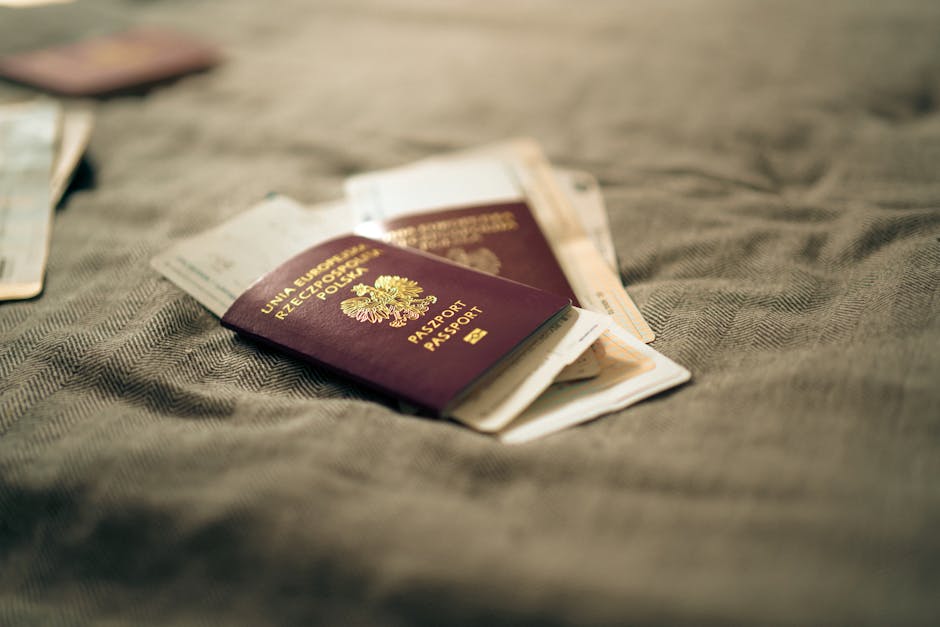
Officers confirm the authenticity of passports, visas, and other documents, cross-referencing them against international watchlists and national databases. Document fraud remains one of the most common attempts to cross borders illegally.
Screening for Contraband and Illegal Goods
Customs officers inspect luggage, vehicles, and cargo for narcotics, weapons, counterfeit products, undeclared cash, and restricted items like protected wildlife or agricultural products that could carry pests and diseases.
Preventing Illegal Immigration and Human Trafficking
Agencies work to identify victims of trafficking, intercept smuggling networks, and detect individuals attempting to enter using fraudulent identities. Trained officers are often supported by specialist anti-trafficking units.
Facilitating Legitimate Trade and Tourism
It is easy to forget that border agencies also exist to enable movement. Efficient processing supports tourism economies, just-in-time supply chains, and international business. Programs like trusted traveler schemes show how facilitation and security can work hand in hand.
Technologies Used in Modern Border Control
The last two decades have transformed how borders are managed. Stamp pads and manual ledgers have given way to a layered ecosystem of digital tools.
Biometric Identification
Biometric border control relies on unique physical traits — fingerprints, facial geometry, and increasingly iris scans — to verify identities with high accuracy. These systems make impersonation extremely difficult and speed up processing for compliant travelers.
E-passports and Automated Border Gates
E-passports contain embedded chips storing biometric and biographic data. Combined with eGates, they allow eligible travelers to clear immigration in seconds without speaking to an officer, freeing personnel to focus on higher-risk cases.
Surveillance Drones, Sensors, and AI Analytics
Between official crossing points, agencies use drones, ground sensors, thermal cameras, and AI-driven analytics to detect movement in remote areas. Machine learning helps prioritize alerts and reduce false positives.
API and PNR Systems
Advance Passenger Information (API) and Passenger Name Record (PNR) systems let authorities review traveler data before flights even land. This pre-screening is now a cornerstone of modern border management.
Border Control Policies Around the World
No two countries approach borders in exactly the same way. National policy reflects geography, history, economic priorities, and political values.
The Schengen Area
Twenty-nine European countries form the Schengen Area, where internal border checks have largely been abolished. Instead, security is concentrated at the external border, supported by shared databases like SIS II and the upcoming Entry/Exit System (EES).
U.S. Customs and Border Protection
In the United States, Customs and Border Protection (CBP) is one of the largest law enforcement agencies in the world. It operates at airports, seaports, and land crossings, and patrols vast stretches of the Mexican and Canadian borders.
Australia’s Offshore Processing Model
Australia takes one of the strictest stances globally, intercepting maritime arrivals and processing asylum seekers in offshore facilities. Supporters cite deterrence; critics raise serious human rights concerns.
Visa Regimes and Entry Requirements
Some countries, like Japan and the UAE, maintain selective visa lists shaped by diplomatic ties and risk assessments. Others offer visa-free or visa-on-arrival access to dozens of nationalities to boost tourism.
Challenges Facing Border Control Today
Modern borders face pressures that go far beyond traditional smuggling or illegal entry.
Balancing Security with Human Rights
Under international law, countries must allow people to seek asylum. Striking the balance between firm enforcement and protecting vulnerable people is one of the most contentious aspects of contemporary border policy.
Migration Surges and Refugee Crises
Conflicts, climate change, and economic instability have driven record displacement. Agencies must scale up rapidly during crises while maintaining accurate screening and humane treatment.
Cybersecurity Threats
As border systems digitize, they become attractive targets. A breach of biometric databases or passenger records could have lasting consequences far beyond any single crossing.
Evolving Criminal Tactics
Smugglers adapt quickly, using encrypted communication, drones, cryptocurrency, and sophisticated forgeries. Staying ahead requires continuous investment in intelligence and border control technology.
The Future of Border Control
The next decade will likely see borders become less visible — but more pervasive in how they monitor and assess travelers.
Seamless Travel with Biometric Corridors
Airports are piloting “walk-through” experiences where facial recognition handles check-in, security, and boarding without travelers presenting documents. Land borders may follow.
AI and Predictive Risk Assessment
Algorithms will increasingly score travelers and shipments based on behavioral patterns, history, and data signals — focusing officer attention where it matters most.
International Cooperation and Data-Sharing
Threats cross borders, so responses must too. Expect more bilateral and multilateral agreements on intelligence sharing, joint operations, and harmonized standards.
Ethical Considerations
With expanding surveillance comes legitimate concern about privacy, bias in AI systems, and the rights of asylum seekers. Public trust will depend on transparency and meaningful oversight.
Practical Takeaway
For travelers, the best way to navigate today’s border landscape is preparation: check visa requirements well in advance, ensure your passport has at least six months of validity, enroll in trusted traveler programs if eligible, and be honest and concise when answering officers’ questions. For citizens following the policy debate, it helps to remember that border control is never just about walls or gates — it is a continuously evolving system that reflects how a society balances openness, security, and human dignity.
About the Author