What is the Strasbourg Open?
The Strasbourg Open, officially known as the Internationaux de Strasbourg, is one of the most respected stops on the women’s professional tennis calendar. Held annually in the historic Alsatian capital, this WTA 250 event has built a reputation as a premier French Open warm-up tournament, drawing top-level talent eager to fine-tune their clay-court games before heading to Roland Garros.
Played on outdoor red clay, the Internationaux de Strasbourg offers an intimate tournament atmosphere that contrasts with the larger Grand Slam venues. Players appreciate the relaxed yet competitive environment, while fans get unusually close access to world-class tennis. As a WTA Tour event, it carries ranking points, meaningful prize money, and the prestige that comes with nearly four decades of history.
The tournament’s strategic position on the calendar — the week immediately before the French Open — makes it a magnet for players seeking match practice on the surface. That blend of preparation and competition has cemented WTA Strasbourg as a fixture for clay-court specialists and Grand Slam contenders alike.
History of the Strasbourg Open
The Strasbourg tennis tournament was founded in 1987, making it one of the longer-running events on the women’s tour. From its earliest editions, it attracted serious talent: Steffi Graf claimed the title in 1987, setting a high bar that future champions have continued to meet. Over the decades, the tournament has grown in stature, evolving alongside the broader WTA Tour structure.
Notable past champions reflect the event’s pedigree. Jennifer Capriati, Patty Schnyder, Lucie Šafářová, and Aryna Sabalenka have all lifted the trophy. Sabalenka’s 2019 victory in particular highlighted Strasbourg’s role as a launching pad — she would go on to become a multiple Grand Slam champion within a few years.
The tournament has shifted classifications several times as the WTA restructured its calendar. Currently a WTA 250 event, it has steadily increased its prize money pool to remain competitive and attractive to top-50 players who might otherwise rest the week before a major.
Venue and Location Details
The Strasbourg Open is hosted at the Tennis Club de Strasbourg, a venue nestled in the Wacken district of the city. The club features several outdoor red clay courts, with the central show court accommodating several thousand spectators during the main event.
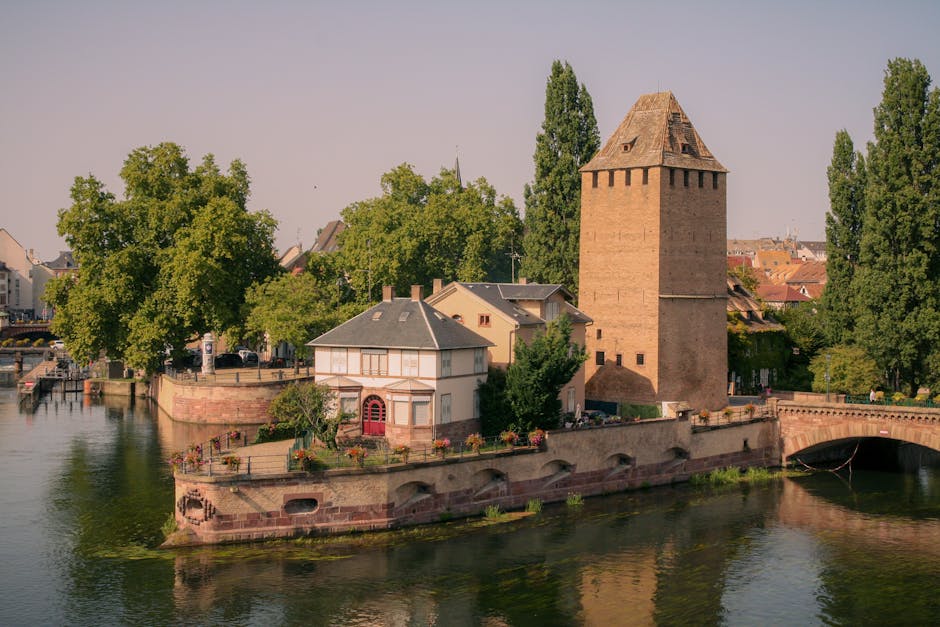
Strasbourg itself sits in the Alsace region of northeastern France, right on the German border. Famous for its half-timbered houses, the Petite France quarter, and its blended Franco-German cultural heritage, the city offers visiting fans a memorable backdrop for a week of tennis. The compact tournament grounds mean even outer-court matches feel close and engaging, a quality regulars often cite as a key part of the event’s charm.
Court Conditions
The red clay surface at Tennis Club de Strasbourg plays slightly slower than some other European clay venues, rewarding heavy topspin and patient construction of points. Late-May weather in Alsace can vary between warm sunshine and cooler, breezier days, adding another tactical layer for competitors.
Tournament Format and Schedule
The Strasbourg Open 2024 follows the standard WTA 250 format: a 32-player singles main draw plus a qualifying round, alongside a 16-team doubles competition. Top seeds typically receive a first-round bye in some editions, though the structure can vary depending on the field.
The event traditionally runs in late May, finishing the Saturday before the French Open begins. This schedule allows finalists just enough time to travel to Paris and acclimate before the Grand Slam draw kicks off. Qualifying weekend opens the week, with main draw play beginning Monday and the singles final played on Saturday.
Key dates fans typically watch for include the qualifying rounds, the order-of-play release each evening, and the quarterfinal session — often the most stacked day in terms of marquee matchups.
Notable Players and Champions
The list of Strasbourg Open winners reads like a tour through women’s tennis history. Beyond Graf and Sabalenka, champions include Maria Sharapova (2010), Samantha Stosur, Angelique Kerber, and Elina Svitolina. The mix of established stars and emerging names highlights the tournament’s dual identity as both a preparation event and a serious title chase.
Several players have famously used Strasbourg as their springboard to French Open success. Match practice on the surface, combined with confidence from deep runs, has translated directly into Roland Garros results in multiple years. Others — including young qualifiers — have used the event to break into the top 50 with a single strong week.
How to Attend the Strasbourg Open
Tickets for the Internationaux de Strasbourg are typically available through the official tournament website starting a few months before the event. Pricing varies by day and seating, with early-week ground passes affordable for casual fans and finals-day center court seats commanding a premium.
Travel and Accommodation
Strasbourg is well connected by high-speed TGV rail to Paris (around 1h 45m), as well as to Frankfurt, Brussels, and Zurich. The Strasbourg–Entzheim airport handles regional flights, while many international visitors fly into Paris or Frankfurt and continue by train. Hotels near the city center and the European Parliament district are popular with fans, and booking early is recommended given the tournament’s growing profile.
At the Grounds
Expect a friendly, walkable site with food stalls, sponsor activations, and easy access to practice courts where you can watch top players up close. The relatively small footprint means even general admission tickets deliver high-quality viewing experiences.
How to Watch the Strasbourg Open
Television and streaming coverage for the WTA 250 Strasbourg event is distributed through the tour’s official broadcast partners. In most markets, the Tennis Channel, Eurosport, and beIN Sports carry live matches, while the WTA’s own subscription streaming service offers global access for fans without traditional TV options.
Live scoring is available through the WTA’s official app and website, with point-by-point updates, statistics, and draw tracking. Social media accounts run by the tournament and the WTA provide highlights, on-court interviews, and behind-the-scenes content throughout the week.
Prize Money and Ranking Points
As a WTA 250 event, the Strasbourg Open offers a prize purse in line with its category — typically just over $250,000 for singles, with additional funds for doubles. The champion receives a significant share of the pool, while first-round losers still earn enough to cover travel costs, an important detail for lower-ranked players.
Ranking points awarded follow the WTA 250 scale: 250 points to the singles champion, 163 to the finalist, and decreasing totals through the earlier rounds. While modest compared to a Grand Slam’s 2,000 points for a title, these can be decisive for players hovering near the cutoff for seeded positions at upcoming majors.
Compared with peer WTA 250 events on clay — like Rabat or earlier season tournaments — Strasbourg’s pre-Roland Garros timing arguably gives it an outsized importance, attracting a stronger-than-average field for its category.
Plan Your Strasbourg Tennis Week
If you’re considering a trip, the practical takeaway is simple: book your travel and tickets early, build in time to explore Alsace’s food and architecture between sessions, and arrive on qualifying weekend to catch rising stars before the spotlight finds them. Few WTA stops combine elite tennis with such an accessible, atmospheric setting — and once you’ve experienced the Strasbourg Open, you’ll understand why so many players and fans return year after year.
About the Author